
29 Wroxham Way, Ilford, Essex IG6 2GG

Top

blood glucose Tag

Organic Health Solutions / Posts tagged "blood glucose"

What weight is considered diabetic?

There is no single "diabetic weight" — but being overweight significantly raises your risk. In the UK, a Body Mass Index (BMI) of 25 or above is considered overweight, and research consistently shows that people with a BMI of 30 or higher (obese) are at substantially greater risk of developing type 2 diabetes. That said, weight alone does not tell the whole story. Where you carry your weight, your lifestyle, your gut health, and even your stress levels all play a role. Let's unpack this properly.   Are you ready to take control of your health and tackle obesity-driven diabetes head-on? In this engaging 45-minute webinar recording, we share practical, proven tips for preventing and managing diabetes linked to excess weight. https://youtu.be/uA7t3vwomRY?si=iJjlUk35Fst7nWff   BMI and Diabetes Risk: The...

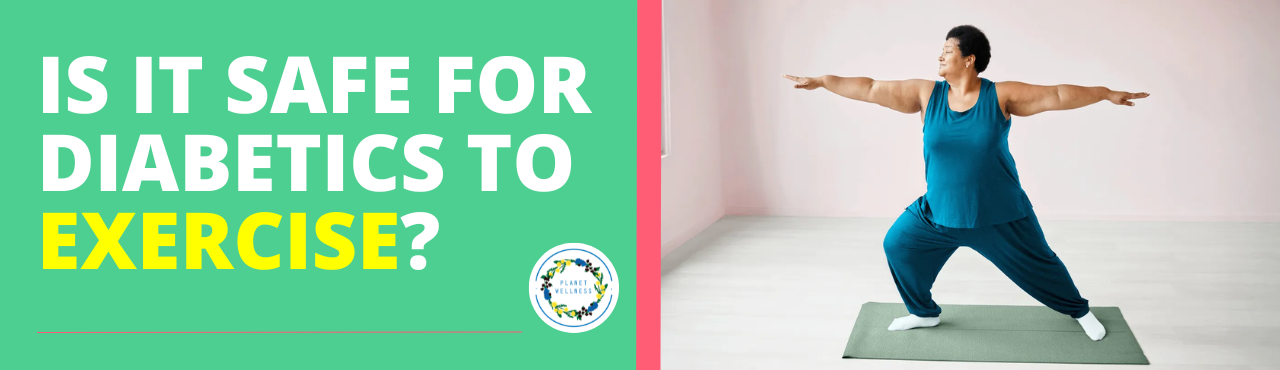
Is it safe for diabetics to exercise?

The short answer: yes — not only is it safe, it's one of the best things you can do for your body when you have diabetes. Exercise is not something diabetics need to fear or avoid. In fact, moving your body regularly is one of the most powerful tools available for managing blood sugar levels, improving energy, supporting your heart, and helping you feel genuinely well in your own skin. The key is knowing how to exercise smartly — understanding what works for your body, what to watch out for, and how to build movement into your life in a way that feels sustainable and enjoyable. So if you've been holding back from the gym, the park, or even a daily walk because you weren't sure if...

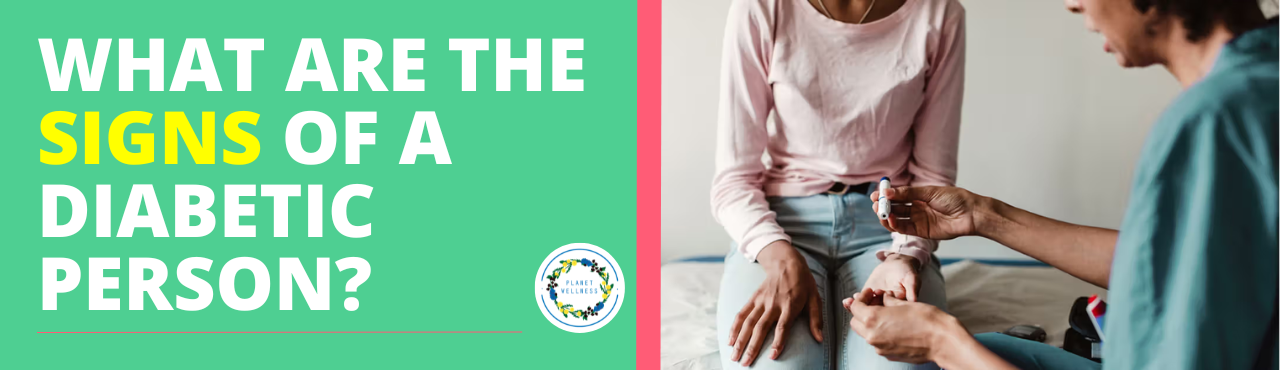
What are the signs of a diabetic person?

The signs of diabetes include frequent urination, extreme thirst, unexplained fatigue, blurry vision, slow-healing wounds, increased hunger, tingling in the hands or feet, and unexplained weight loss. Also, spotting these early can make all the difference to your health and wellbeing.     Why It Matters to Recognise the Signs Early Diabetes affects how your body processes blood sugar (glucose), and when left unaddressed, it can quietly cause harm over time. The good news? Furthermore, many people who catch it early go on to manage it beautifully — often through lifestyle, food, movement, and mindful living.   This article walks you through the key warning signs, what they mean for your body, and how a more natural, whole-body approach can support your health journey.   The Most Common Signs of Diabetes 1. Needing to...

What fruit is best for diabetics?

The short answer: berries, cherries, apples, pears, and citrus fruits are generally the best choices for diabetics. Also, they tend to be lower in sugar, higher in fibre, and rich in the kinds of plant compounds that support steady blood sugar levels. Furthermore, but — and this matters — how you eat fruit can be just as important as which fruit you choose.   If you've been told to avoid fruit altogether because of your diabetes, you're not alone in hearing that. In addition, it's a common piece of advice, and it's not entirely wrong — but it's not entirely right either. Moreover, fruit contains natural sugars, yes. However, but it also contains fibre, water, vitamins, minerals, and powerful plant nutrients that your body genuinely needs. Therefore,...

Can Prediabetes be cured?

The short answer is yes — for many people, prediabetes can be reversed. Also, it is not a life sentence. Furthermore, with the right changes to how you eat, move, sleep, and manage stress, your blood sugar levels can return to a healthy range — and stay there.     What Is Prediabetes? Prediabetes means your blood sugar (glucose) levels are higher than they should be, but not yet high enough to be classed as Type 2 diabetes. In addition, think of it as a warning signal — your body telling you something needs to change.   The good news? You've caught it early. That matters enormously.   Why Lifestyle Changes Work So Well Unlike many health conditions, prediabetes responds remarkably well to everyday choices. You don't need a complicated medical plan. Moreover, what...

How to check sugar level without a machine?

You can get a strong sense of your blood sugar levels without a glucometer by paying close attention to your body's signals — things like persistent fatigue, unusual thirst, frequent urination, and slow-healing skin can all indicate that something is off. Also, practices such as iridology (reading the markings in the iris of the eye) offer a non-invasive way to spot potential imbalances even before symptoms become obvious. Furthermore, and while these methods are not a replacement for a formal diagnosis, they can be powerful early warning tools — especially when combined with mindful eating, proper hydration, and a well-supported lifestyle.   Just been diagnosed with Diabetes? Discover what to do next!     Why Would You Want to Check Without a Machine? Many people find glucometers inconvenient, anxiety-inducing, or simply...

What is an alarming blood sugar level?

An alarming blood sugar level is generally considered to be below 3.0 mmol/L (hypoglycaemia) or above 16.7 mmol/L (hyperglycaemia). These thresholds signal that your body is under significant stress and needs attention — fast. Are you wondering why diabetes is increasing at an alarming rate worldwide? In this video, we break down the real reasons behind the rise in diabetes and what you can do to protect your health. Why Blood Sugar Balance Matters Your blood sugar — or blood glucose — is the body's primary fuel source. When it dips too low or climbs too high, every system in your body feels it. Think of it like the tide: a gentle ebb and flow is natural, but extremes in either direction can cause real damage. Keeping your levels...

How do I bring my blood sugar down quickly?

The quickest way to bring your blood sugar down is to move your body, drink plenty of water, and cut back on sugars and refined carbs — ideally all three together.   That's the short answer. But if you want to understand why these work — and how to build habits that keep your blood sugar steady for the long haul — read on.   Have you ever wondered how it really feels when your blood sugar is too high? In this insightful video, we break down the common signs and symptoms of high blood sugar, from subtle early warnings to more serious effects you shouldn't ignore.     Why Blood Sugar Spikes in the First Place Blood sugar (or blood glucose) rises when your body takes in more sugar and carbohydrates than...

What is a normal blood sugar level?

A normal fasting blood sugar level for a healthy adult is between 4.0 and 5.4 mmol/L. Two hours after eating, it should generally sit below 7.8 mmol/L. These are the figures most used in the UK as a healthy baseline — but as you'll discover, what's "normal" is only part of the picture.   Take control of your health with proven lifestyle tips for managing Type 2 diabetes. In this video, you'll learn simple, evidence-based habits you can start today to stabilise blood sugar, improve energy, and boost overall wellbeing.     Why Blood Sugar Matters More Than You Think Blood sugar — or blood glucose — is simply the amount of sugar circulating in your bloodstream at any given time. It's your body's primary fuel source, and keeping it within...