
29 Wroxham Way, Ilford, Essex IG6 2GG

Top

insulin resistance Tag

Organic Health Solutions / Posts tagged "insulin resistance"

Can An Eye Test Spot Diabetes?

Yes — a certain kind of eye test can. An iridology consultation, which examines the coloured part of your eye (the iris) rather than your prescription, can pick up early warning signs of blood sugar imbalance, often years before a routine blood test would ever flag a problem. It won’t tell you your exact glucose reading and it isn’t a diagnosis. What it does is give you a genuinely useful head start, spotting the subtle patterns that suggest your body is beginning to struggle with sugar long before you’d feel unwell. Below, we’ll unpack exactly what an iridologist looks for, how it differs from the eye test you might have at the opticians, and what to do if your eyes are trying to tell you something. In...
Can Iridology Detect Diabetes?

Yes — iridology can pick up early warning signs that point towards diabetes, sometimes years before a blood test confirms it. By reading the markings, colour and texture of the iris, a trained iridologist can spot a distinct “sugar ring” around the pupil that flags a body under strain from excess blood sugar. It’s not a replacement for a blood test, but it is a gentle, non-invasive early warning system that lets you take action long before symptoms creep in. Let’s take a closer look at how this works, what your iridologist is actually looking for, and why so many people are turning to iridology as part of a proactive, whole-body approach to their health. Do You Know If Iridology Can Detect Diabetes? Diabetes affects at least one...

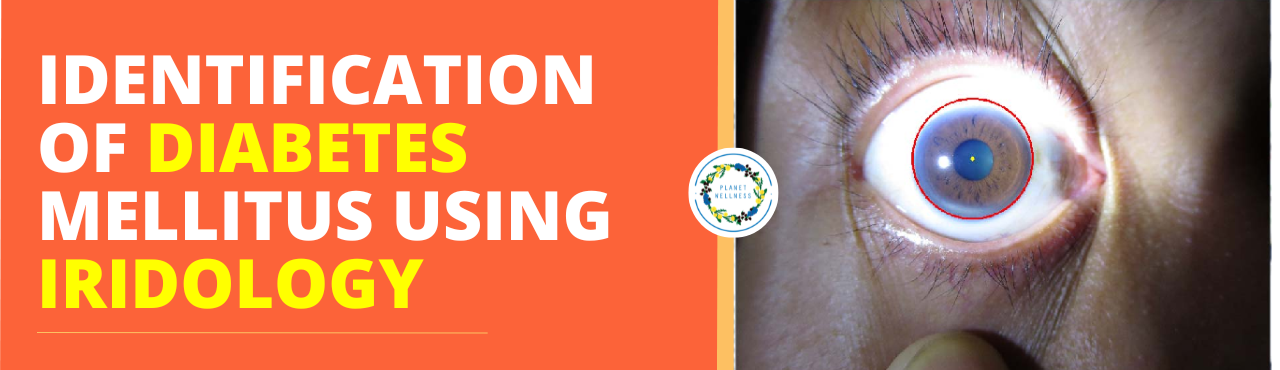
Identification of Diabetes Mellitus using Iridology

Yes — iridology can identify the warning signs of diabetes mellitus, often before a blood test ever flags a problem. A trained iridologist looks for a distinctive dark ring around the outer edge of the pupil, along with specific markings in the pancreas zone of the iris, both of which are associated with blood sugar imbalance. It isn't a replacement for a blood test, but it is a remarkably useful early-warning system — one that can prompt you to act while there's still plenty of time to turn things around naturally. Below, we'll explain exactly how this works, what an iridologist is looking for, and why so many people across the UK are turning to iridology as part of their approach to blood sugar health. Curious about...

Blood sugar explained

Blood sugar, or blood glucose, is simply the amount of sugar travelling through your bloodstream at any given moment. It comes from the food you eat, and it's your body's main source of fuel — powering everything from your muscles to your brain. The goal isn't to avoid sugar altogether; it's to keep your levels steady, rather than letting them swing sharply up and down. That steadiness is where energy, mood, and long-term wellbeing really come from. Can exercise really cure diabetes? The answer is – it depends. Regular physical activity is one of the most powerful tools to help manage blood sugar levels and maintain a healthy BMI. However, exercise alone is not enough if poor lifestyle habits remain. Watch: Can Exercise Cure Diabetes? | The...

What is type 2 diabetes?

Type 2 diabetes is a long-term condition that occurs when the body becomes resistant to insulin or doesn't produce enough of it to keep blood sugar levels within a healthy range. As a result, glucose builds up in the bloodstream instead of being used efficiently by the body's cells for energy. The good news is that, for many people, type 2 diabetes is largely influenced by lifestyle. With the right combination of nourishing food, regular movement, stress management and professional guidance, many people can significantly improve their blood sugar control and overall wellbeing. The earlier it's recognised, the better the opportunity to make positive changes. 🔥 Living with Type 2 diabetes doesn't mean giving up the life you love. With the right daily habits, you can take...

Is 200 blood sugar normal after eating?

The short answer: no — a blood sugar reading of 200 mg/dL (11.1 mmol/L) after eating is not considered normal. Also, it falls into a range that warrants attention. Furthermore, while blood sugar does naturally rise after a meal, a spike that high is a signal that something in the body's balancing system is under strain — and it's worth taking seriously, gently but promptly.   If you've just seen that number on your glucose monitor and you're wondering what to make of it, you're in the right place. In addition, let's walk through what's actually happening in your body, what a healthier range looks like, and — crucially — what you can do to support your blood sugar in a way that works with your body,...