
Can An Eye Test Spot Diabetes?
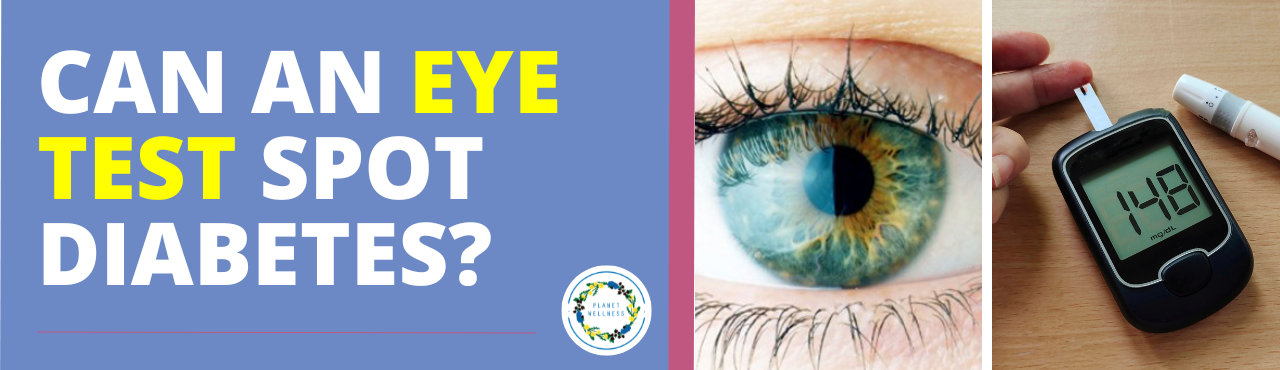
Yes — a certain kind of eye test can. An iridology consultation, which examines the coloured part of your eye (the iris) rather than your prescription, can pick up early warning signs of blood sugar imbalance, often years before a routine blood test would ever flag a problem. It won’t tell you your exact glucose reading and it isn’t a diagnosis. What it does is give you a genuinely useful head start, spotting the subtle patterns that suggest your body is beginning to struggle with sugar long before you’d feel unwell.
Below, we’ll unpack exactly what an iridologist looks for, how it differs from the eye test you might have at the opticians, and what to do if your eyes are trying to tell you something.
In this video, you will learn what Iridology is and how important the iris is. Find out how understanding the markings in your iris can help you with Diabetes or avoid it.
What Do We Actually Mean By ‘An Eye Test’ Here?
It’s worth clearing up a common mix-up straight away, because there are two quite different things going on when people talk about eyes and diabetes.
The NHS Diabetic Eye Screening
If you’ve already been diagnosed with diabetes, you’ll be familiar with the yearly NHS eye screening. This checks for diabetic retinopathy — damage to the blood vessels at the back of the eye caused by years of high blood sugar. It’s a vital check, but it only comes into play once diabetes is already established.
An Iridology Consultation
Iridology is a different discipline entirely, and it works the other way round. Rather than checking for damage after the fact, a trained iridologist studies the colours, fibres and markings across the whole iris to build a picture of where your body may be under strain — sometimes well before any conventional test would raise a flag. This is the kind of eye test we’re focusing on here.
How Iridology Reads the Signs of Blood Sugar Imbalance
Every iridologist works from an iridology chart, which maps different areas of the iris to different organs and systems in the body. The pancreas — the organ responsible for producing insulin — has its own dedicated zone, and this is where the story usually begins.
The Diabetic Ring
The most recognisable sign is a distinctive dark ring that can form around the outer edge of the pupil. Many practitioners refer to this as the diabetic ring, and it’s associated with the body struggling to regulate glucose effectively. On its own, it doesn’t confirm a diagnosis or tell you how far along the issue is — but it’s a clear prompt to look further.
Fibre Density and Colour in the Pancreas Zone
Alongside the ring, an experienced eye is drawn to the texture of the pancreas zone itself. Loosely woven or frayed fibres can point to a constitutionally weaker pancreas, while a dull yellow or brownish tint often suggests years of quiet strain, frequently tied to diet and lifestyle choices made long before any symptoms appeared.
Why Catching It Early Matters So Much
Blood tests are excellent at confirming diabetes once it has properly taken hold. What they’re far less good at is flagging the slow drift towards insulin resistance that so many people go through for years, often with no obvious symptoms at all — no thirst, no tiredness, nothing that would send them to the GP.
This is exactly where iridology earns its place. By picking up on subtle strain long before it becomes a clinical picture, it hands you something incredibly valuable: time. Time to adjust your plate, your movement and your stress levels while change is still relatively easy, rather than after a diagnosis has already landed.
What Happens During an Iridology Consultation
If you book a consultation because of a family history of diabetes, unexplained tiredness, or simply a nagging feeling that something’s off, here’s roughly what you can expect.
A Proper Conversation First
Before anyone looks at your eyes, a good practitioner wants to understand you. Your diet, your energy through the day, your sleep, your stress levels, and your family’s health history all matter — diabetes rarely shows up in isolation, so context counts for a great deal.
A Close Examination of Both Eyes
Using a specialist torch or a magnifying iridology camera, the practitioner studies both irises in detail — comparing the pancreas zone, the surrounding fibre structure, and whether that telltale ring is present.
A Plain-English Explanation
You should never leave a consultation more confused than when you arrived. A good iridologist talks you through exactly what they’ve seen, in everyday language, and connects it with how you’ve actually been feeling.
A Plan Built Around You
This is where the real value sits. Rather than a generic leaflet, you should walk away with practical steps shaped around what your eyes have revealed — covering food, supplementation and daily habits that genuinely fit your life.
Supporting Your Blood Sugar Naturally, Once You Know
Spotting an early sign is only half the story. What you do with that information is what really counts, and the encouraging news is that blood sugar health responds remarkably well to steady, natural changes.
Rethink What’s On Your Plate
Choosing whole, unprocessed foods over refined carbohydrates and sugary snacks makes a real difference to how steadily your blood sugar behaves. Fibre-rich vegetables, pulses and whole grains slow the release of glucose into your bloodstream, easing the load on your pancreas.
Move a Little, Often
Exercise helps your muscles use glucose more efficiently, taking some of the pressure off insulin production. You don’t need anything drastic — a brisk daily walk genuinely adds up over time.
Mind Your Stress Levels
Chronic stress raises cortisol, and cortisol can push blood sugar levels up in turn. Small daily habits — proper breathing, time outdoors, winding down properly before bed — play a quieter but very real role in keeping things balanced.
🌿 How Can Iridology Help Me? 🌿
Have you ever wondered what your eyes can reveal about your health? In this video, we explore the powerful world of Iridology — a non-invasive method of analysing the iris to gain insights into your body’s strengths, weaknesses, and overall well-being.
Can Iridology Detect Diabetes?
Diabetes affects at least one in ten people worldwide, so being able to spot the earliest signs matters enormously. This video explains what an iridologist actually looks for.
Is an Iridology Consultation Right for You?
If diabetes runs in your family, if you’ve noticed persistent tiredness or unusual thirst, or if you simply want to know where you stand before anything shows up on a standard test, an iridology consultation is a gentle, informative place to start. It costs you nothing but a little time, and it asks nothing invasive of your body.
At Planet Wellness, we’ve spent over 50 years combining iridology with nutrition and kinesiology to help people all around the world get ahead of blood sugar concerns — often years before a diagnosis would otherwise arrive. Your eyes may already be trying to tell you something. It’s worth taking a proper look.
TAKE THE NEXT STEP
Free consultation
Ready to take back control of your health?
Book a free one-to-one consultation with our wellness clinic and discover what your eyes could be revealing about your health — no generic advice, just insights built around you.
Book your free consultation

FREE RESOURCES
Free ebook — Benefits of Having an Iridology Consultation
A practical, no-fuss guide covering what an iridology consultation involves and how it can help you understand your health — written in plain English, with real insight you can use today.
Download free ebook
Free ebook — What Your Eyes Can Reveal About Your Health
Discover how the markings, colours and patterns in your iris can offer a window into your wellbeing. This guide makes understanding your eyes genuinely fascinating.
Get your free copy
KEEP READING
Want to learn more about iridology? These articles are a great place to continue.
- Identification of Diabetes Mellitus using Iridology
- Why Choose Iridology?
- What Health Conditions Can Be Seen Through The Eyes?
- What happens if blood sugar drops too low?
- Blood sugar explained
- Health benefits of fibre
Disclaimer: The information provided in this article is for educational purposes only and is not intended as medical advice. Always consult a qualified healthcare professional before making changes to your diet, supplement regimen or health programme. Planet Wellness practitioners draw on over 50 years of natural health experience using Iridology, Nutrition and Kinesiology.