

29 Wroxham Way, Ilford, Essex IG6 2GG

Top

Iridology

How Legit Is Iridology?

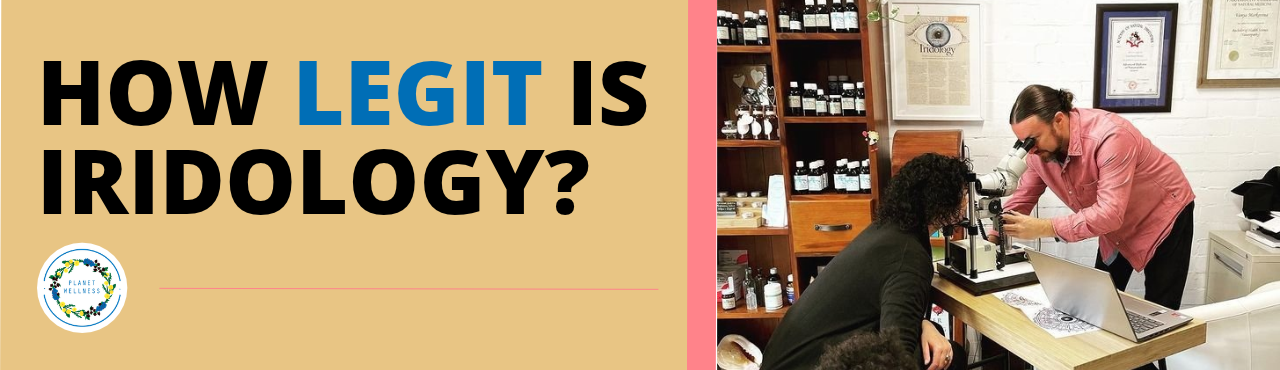
The short answer: iridology is a genuinely legitimate, well-established practice β€” just not in the way conventional medicine measures β€œlegitimate”. It has been used by natural health practitioners for well over a century, and today it sits alongside nutrition, kinesiology and other holistic disciplines as a trusted way of understanding what is really going on beneath the surface. It won't replace your GP, and it was never meant to. What it does is give you information your GP's ten-minute appointment simply isn't built to uncover. If you've ever left a check-up with a clean bill of health while still feeling tired, bloated or β€œnot quite right”, you'll understand exactly why so many people in the UK are turning to iridology for answers. Do You Know What Is...

Iridology Claims to Detect 10 Conditions

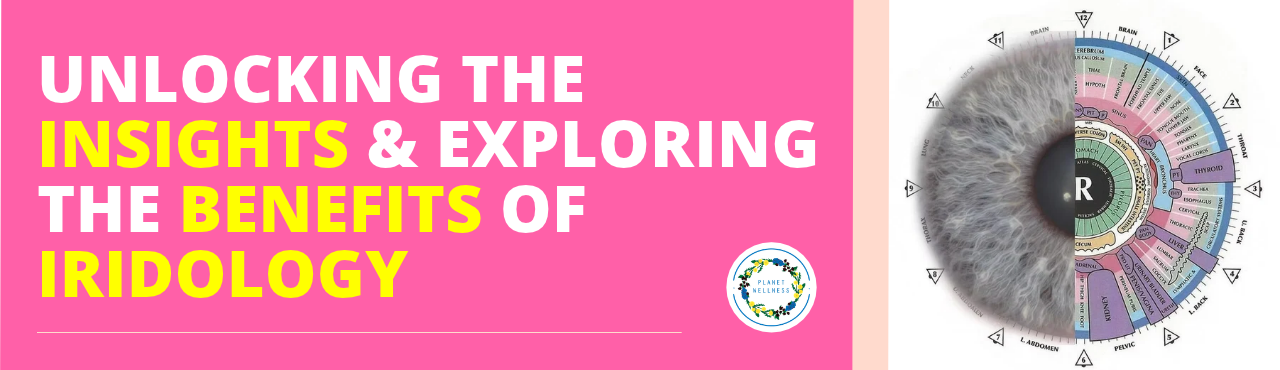
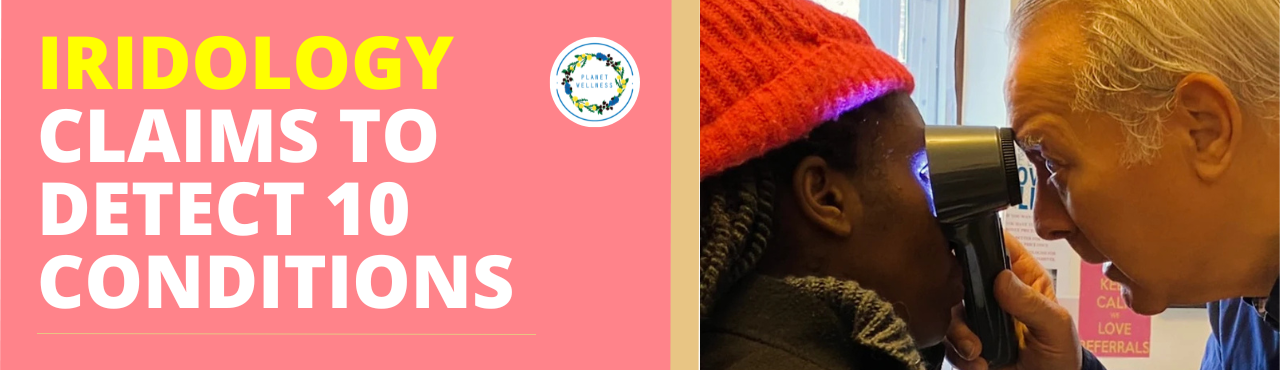
Have you ever wondered whether your eyes could provide clues about what is happening inside your body? Iridology is a non-invasive complementary health practice that examines the colours, patterns, fibres and markings of the iris to identify areas of possible weakness, stress or imbalance. Practitioners use an iridology chart to relate different areas of the iris to organs and body systems. Rather than simply focusing on a symptom, iridology takes a broader look at the person. It can be used as part of a personalised wellness approach, helping people become more aware of their constitution, lifestyle and areas that may benefit from additional support. At Planet Wellness, we believe that understanding your body is an important first step towards caring for it. Important note: Iridology should be viewed...

Can An Eye Test Spot Diabetes?

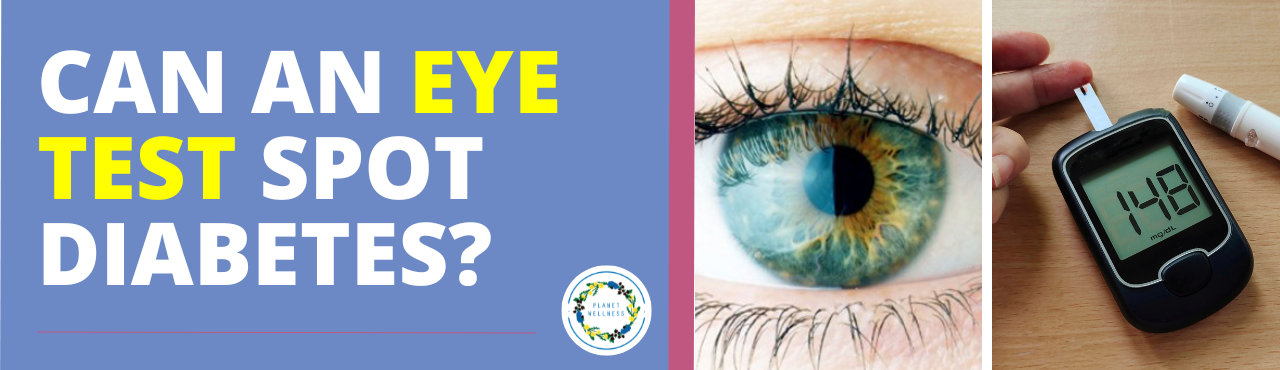
Yes — a certain kind of eye test can. An iridology consultation, which examines the coloured part of your eye (the iris) rather than your prescription, can pick up early warning signs of blood sugar imbalance, often years before a routine blood test would ever flag a problem. It won’t tell you your exact glucose reading and it isn’t a diagnosis. What it does is give you a genuinely useful head start, spotting the subtle patterns that suggest your body is beginning to struggle with sugar long before you’d feel unwell. Below, we’ll unpack exactly what an iridologist looks for, how it differs from the eye test you might have at the opticians, and what to do if your eyes are trying to tell you something. In...

Can Iridology Detect Diabetes?

Yes — iridology can pick up early warning signs that point towards diabetes, sometimes years before a blood test confirms it. By reading the markings, colour and texture of the iris, a trained iridologist can spot a distinct “sugar ring” around the pupil that flags a body under strain from excess blood sugar. It’s not a replacement for a blood test, but it is a gentle, non-invasive early warning system that lets you take action long before symptoms creep in. Let’s take a closer look at how this works, what your iridologist is actually looking for, and why so many people are turning to iridology as part of a proactive, whole-body approach to their health. Do You Know If Iridology Can Detect Diabetes? Diabetes affects at least one...

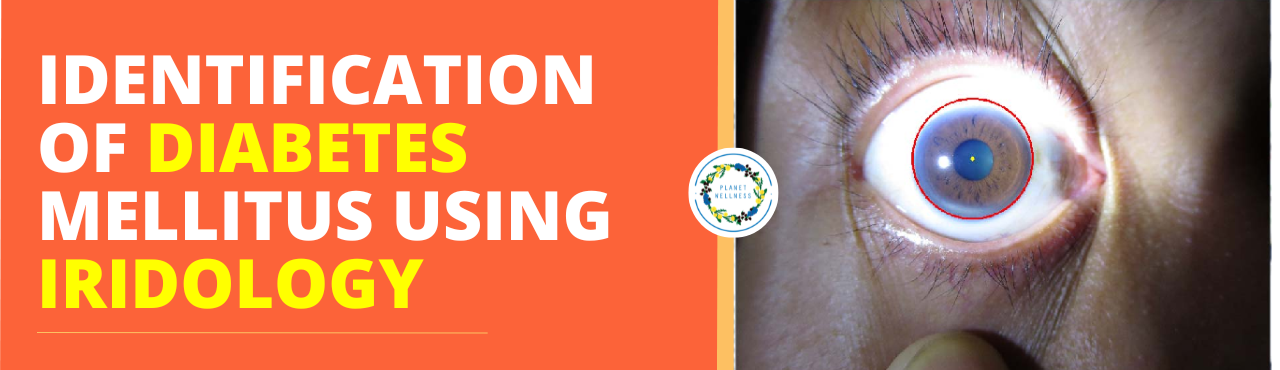
Identification of Diabetes Mellitus using Iridology

Yes β€” iridology can identify the warning signs of diabetes mellitus, often before a blood test ever flags a problem. A trained iridologist looks for a distinctive dark ring around the outer edge of the pupil, along with specific markings in the pancreas zone of the iris, both of which are associated with blood sugar imbalance. It isn't a replacement for a blood test, but it is a remarkably useful early-warning system β€” one that can prompt you to act while there's still plenty of time to turn things around naturally. Below, we'll explain exactly how this works, what an iridologist is looking for, and why so many people across the UK are turning to iridology as part of their approach to blood sugar health. Curious about...

Why Choose Iridology?

The short answer: Iridology is worth choosing because it offers a natural, non-invasive way to understand your body's constitutional strengths, inherited tendencies and areas needing support β€” often revealing patterns long before symptoms become obvious, and doing so without needles, blood draws or waiting weeks for lab results. If you've ever left a GP appointment with a clean bill of health on paper but still felt like something wasn't quite right, you'll understand why so many people across the UK are turning to iridology. It doesn't replace conventional medicine β€” but it does offer something different: a window into your body's underlying terrain, read through the intricate map of colours, fibres and markings in your iris. Here's why it might be exactly what you've been looking for. Watch:...

What happens if blood sugar drops too low?

When blood sugar drops too low, your body goes into a kind of gentle alarm mode. You might feel shaky, sweaty, light-headed or suddenly ravenous, and if it drops far enough, you can become confused, faint, or in rare cases lose consciousness. This is called hypoglycaemia, and it happens because your brain and muscles are running low on the fuel they need to function properly. The good news is that, for most people, a low is easy to recognise, quick to treat, and even easier to prevent once you understand what's driving it. πŸ“ˆ Diabetes is rising at an alarming rate worldwide β€” but why? And more importantly, what can YOU do about it? Watch: Why is Diabetes on the Increase? https://youtu.be/mfYCRSaXg0A?si=Afhb3k5jlVI39d6b What Counts As "Too Low"? For most adults,...

Health benefits of fibre

Fibre keeps your blood sugar steadier, your digestion running smoothly, your heart healthier, and your appetite properly satisfied β€” and most of us in the UK aren't getting nearly enough of it. If you take one thing from this article, let it be this: fibre isn't a "nice to have" tucked away in the small print of a healthy eating plan. It's one of the most powerful, accessible tools you have for feeling well, day to day and for years to come. The good news? Getting more of it doesn't require anything complicated, expensive, or restrictive. It simply means choosing foods closer to how nature made them. Let's look at why fibre matters so much, and how to bring more of it into your everyday meals...

Blood sugar explained

Blood sugar, or blood glucose, is simply the amount of sugar travelling through your bloodstream at any given moment. It comes from the food you eat, and it's your body's main source of fuel β€” powering everything from your muscles to your brain. The goal isn't to avoid sugar altogether; it's to keep your levels steady, rather than letting them swing sharply up and down. That steadiness is where energy, mood, and long-term wellbeing really come from. Can exercise really cure diabetes? The answer is – it depends. Regular physical activity is one of the most powerful tools to help manage blood sugar levels and maintain a healthy BMI. However, exercise alone is not enough if poor lifestyle habits remain. Watch: Can Exercise Cure Diabetes? | The...

Obesity explained

Obesity simply means carrying more body fat than is healthy for your frame β€” typically defined in the UK as having a Body Mass Index (BMI) of 30 or above. But that one-line definition barely scratches the surface. Obesity isn't a character flaw or a lack of willpower; it's a complex condition shaped by genetics, hormones, gut health, sleep, stress and the food environment we all live in. The encouraging news is that, for most people, it's also something that can be gently and sustainably improved β€” not through punishing diets, but through working with your body rather than against it. Are you ready to take control of your health and tackle obesity-driven diabetes head-on? In this engaging 45-minute webinar recording, we share practical, proven tips...