
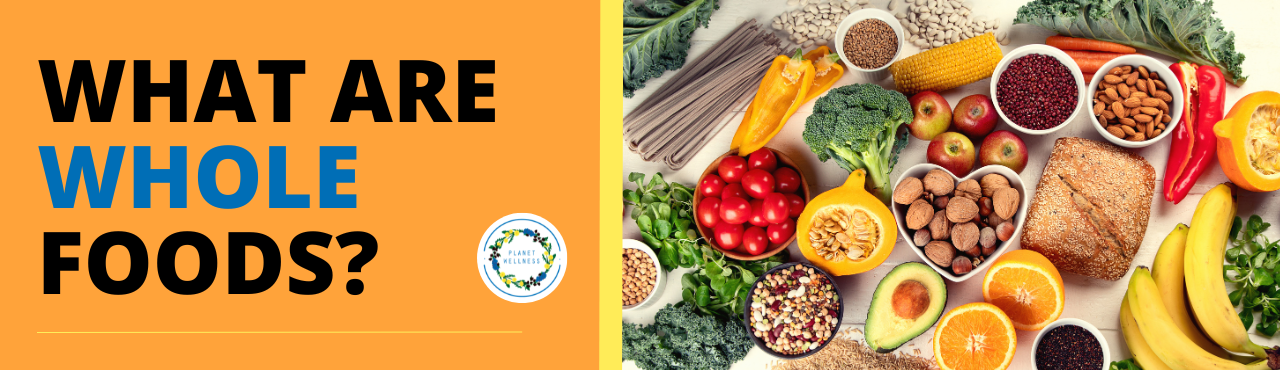
What are whole foods?
A Planet Wellness Guide to Eating Close to Nature Whole foods are simply foods that are as close to their natural state as possible — unprocessed, unrefined, and free from artificial additives. Think an apple straight from the tree, a handful of oats from the field, or a bowl of lentils soaked overnight. Nothing added. Nothing taken away. Just food, as nature intended. It’s a beautifully simple idea, and yet in today’s world of ready meals, protein bars, and ingredient lists you need a science degree to decode, eating whole foods has become something of a conscious choice rather than a default. The good news? Once you understand what whole foods are and why they matter, making the shift feels far less overwhelming — and far more nourishing.
🥗 Feeling overwhelmed by conflicting advice about what to eat for diabetes? Start here — these 5 foods are proven, simple, and powerful. 5 foods to focus on for Diabetes
The Main Categories of Whole Foods Whole foods aren’t a strict diet or a set of complicated rules. They’re a way of thinking about what’s on your plate. The core categories include:
* Fruits and vegetables – fresh, frozen (without added sauces or sugar), or dried without additives * Whole grains – oats, brown rice, quinoa, barley, rye, and wholegrain bread or pasta * Beans and legumes – lentils, chickpeas, black beans, kidney beans * Nuts and seeds – almonds, walnuts, sunflower seeds, chia seeds, flaxseeds * Animal products (in their natural form) – eggs, plain meat and fish, full-fat dairy without additives The key principle across all of these? Minimal interference. A whole food is one that hasn’t been stripped of its fibre, nutrients, or natural qualities through processing.
What Whole Foods Are Not Just as important as knowing what whole foods are is understanding what they’re not. Ultra-processed foods — the ones that come in packets, have a long shelf life, and contain ingredients you wouldn’t find in your kitchen cupboard — sit at the opposite end of the spectrum. Think crisps, fizzy drinks, sugary cereals, fast food, ready meals, and most packaged snacks. These foods are often engineered to be hyper-palatable (read: impossible to stop eating), while offering little in the way of real nourishment. They tend to spike blood sugar, disrupt gut health, and leave you feeling hungry again within hours. Processed foods aren’t always the villain, of course. Tinned tomatoes, frozen peas, and natural yoghurt are all processed to some degree — but they retain their nutritional integrity. The real concern is with heavily processed products where the original food is barely recognisable.
Why Whole Foods Support the Body So Well They Feed Your Gut A healthy gut is the foundation of so much more — your immune system, your mood, your energy levels, even your skin. Whole foods, particularly plant-based ones, are rich in dietary fibre that feeds the beneficial bacteria living in your digestive tract. A diverse, fibre-rich diet quite literally helps your gut thrive. They Provide Sustained Energy Whole foods tend to release energy slowly and steadily. Unlike refined carbohydrates that cause a quick spike and crash, wholegrains, legumes, and vegetables keep blood sugar more balanced, which means steadier energy and fewer afternoon slumps. They’re Rich in Nutrients That Work Together One of the most important things to understand about whole foods is that the nutrients within them work synergistically. The vitamins, minerals, antioxidants, and fibre in a whole food aren’t just present — they interact with each other in ways that enhance absorption and effectiveness. This is something a supplement simply cannot replicate. They Support the Body’s Natural Healing The body has a remarkable capacity to heal and regulate itself — but it needs the right raw materials to do so. Whole foods provide those materials: anti-inflammatory compounds, immune-supporting antioxidants, hormone-balancing fats, and gut-healing fibre. Food, in this sense, truly is medicine.
How to Start Eating More Whole Foods You don’t need to overhaul your entire diet overnight. Small, consistent changes make all the difference. Practical steps to get started: 1. Swap refined grains for whole ones — choose wholegrain bread, brown rice, or rolled oats over their white, refined counterparts 2. Add more plants to every meal — even just one extra vegetable per plate makes a meaningful difference 3. Cook from scratch more often — even simple home cooking puts you in control of what goes into your food 4. Read ingredient labels — if the list is long and full of unfamiliar names, it’s likely highly processed 5. Keep whole food snacks on hand — nuts, fruit, hummus with vegetable sticks, or a boiled egg are all great options 6. Plan ahead — batch cooking grains and legumes at the start of the week makes healthy eating far more achievable
🚫 Some foods are silently destroying your blood sugar — even ones labelled “healthy.” Knowing what to avoid is just as important as knowing what to eat. Foods to Avoid to Prevent Diabetes | Healthy Alternatives & Practical Tips
A Word on Flexibility Eating more whole foods isn’t about perfection. Life happens — there are birthday cakes, work lunches, and Friday night takeaways. The goal isn’t to be rigid; it’s to make whole foods the foundation of how you eat, so that your body has what it needs to feel its best most of the time. Think of it less as a diet and more as a relationship with food — one built on respect for what your body truly needs, and an appreciation for the simple, profound power of real ingredients.
Planet Wellness is committed to supporting your health journey through real food, informed choices, and a whole-body approach to wellbeing.
Disclaimer: This article is for educational purposes only and not a substitute for professional medical advice. Always seek diagnosis and treatment from a qualified healthcare provider, which is specific to your own case.
________________
TAKE THE NEXT STEP
Free consultation — Book a one-to-one session with our experienced natural health practitioners.
Book your free consultation here →

FREE RESOURCES
Free ebook — Best ways to treat diabetes
Download your free diabetes guide here →

Free ebook — Eat well, live well
Download your free Eat Well Live Well guide here →
GO DEEPER
The Diabetes Solution — Our comprehensive book covering natural approaches to blood sugar management.
Get The Diabetes Solution book here →
LEARN AT YOUR OWN PACE
Beginner’s diabetes course
Start the beginner’s course here →
Advanced diabetes course
Explore the advanced course here →

KEEP READING
Want to learn more about managing diabetes naturally? These articles are a great place to continue.
→ 3 Most Common Symptoms of Undiagnosed Diabetes
→ Why Am I Going To The Toilet Frequently?
→ What Are The First Signs Of Diabetes?
→ Hyperglycemia: Symptoms, Causes, and Treatments