

What is insulin resistance?
A Planet Wellness Guide to Understanding and Reclaiming Your Metabolic Health
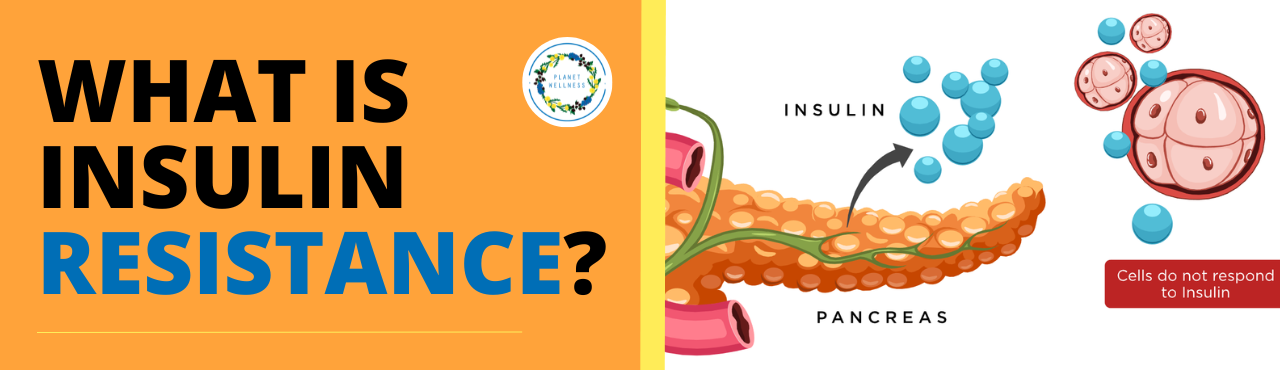
Insulin resistance is when your body’s cells stop responding properly to insulin — the hormone that helps move sugar from your blood into your cells for energy. When this happens, your body has to produce more and more insulin just to do the same job. Over time, this puts enormous strain on your system and can lead to fatigue, weight gain, and eventually Type 2 diabetes if left unaddressed. The good news? Your body is remarkably capable of healing. With the right support, insulin resistance can be reversed — or significantly improved — through everyday lifestyle choices.
Can exercise really cure diabetes? The answer is – it depends. Regular physical activity is one of the most powerful tools to help manage blood sugar levels and maintain a healthy BMI. However, exercise alone is not enough if poor lifestyle habits remain. Can Exercise Cure Diabetes? | The Truth About Exercise and Type 2 Diabetes
Why Does It Happen? Insulin is produced by your pancreas. Its job is simple: when you eat, your blood sugar rises, insulin is released, and it acts like a key — unlocking your cells so glucose can enter and be used as fuel. But when cells in your muscles, liver, and fat tissue become resistant to insulin’s signal, that key no longer fits the lock as well as it should. Your pancreas compensates by producing even more insulin, which works for a while — until it doesn’t. Several factors can contribute to this: * Poor diet – particularly diets high in ultra-processed foods, refined carbohydrates, and added sugars * Lack of movement – a sedentary lifestyle reduces your cells’ sensitivity to insulin * Chronic stress – elevated cortisol interferes with insulin signalling * Poor sleep – even short-term sleep deprivation can impair how your body handles blood sugar * Excess body fat – particularly fat stored around the abdomen and organs (visceral fat) * Chronic inflammation – a key underlying driver that often goes unnoticed
What Does It Feel Like? Insulin resistance doesn’t always announce itself loudly. Many people live with it for years without realising. But there are signs your body may be sending you: * Persistent fatigue, especially after meals * Energy crashes and strong sugar or carb cravings * Difficulty losing weight, particularly around the belly * Brain fog or difficulty concentrating * Feeling hungry shortly after eating * Dark patches of skin around the neck, armpits, or groin (a condition called acanthosis nigricans) If any of these sound familiar, it’s worth speaking to your GP and asking for a fasting insulin test alongside your standard blood glucose check.
The Blood Sugar Rollercoaster One of the most helpful ways to understand insulin resistance is through the lens of blood sugar balance. When you eat sugary or refined foods, your blood sugar spikes rapidly. Insulin surges in response. Your cells absorb what they can — but if this cycle repeats too often, your cells gradually tune out the signal. Think of it like turning up the volume on a song that’s been playing too loud for too long. Eventually, you stop hearing it. Breaking the Cycle The encouraging part is that every meal is an opportunity to begin shifting things. Choosing foods that release energy slowly — vegetables, legumes, whole grains, quality proteins, and healthy fats — helps keep blood sugar steadier and reduces the demand placed on your insulin response. This isn’t about perfection. It’s about consistency over time.
How to Support Insulin Sensitivity Naturally 1. Nourish Your Body With Real Food Focus on whole, minimally processed foods. Prioritise vegetables, fibre-rich legumes, nuts, seeds, oily fish, and quality proteins. Reduce your intake of white bread, pasta, pastries, sugary drinks, and packaged snacks. Some particularly helpful foods include:
* Cinnamon – shown to support healthy blood sugar levels * Apple cider vinegar – may help reduce post-meal blood sugar spikes * Leafy greens – rich in magnesium, a mineral many people with insulin resistance are deficient in * Berries – low in sugar, high in antioxidants that support cellular health 2. Move Your Body Daily Exercise is one of the most powerful tools for improving insulin sensitivity — and you don’t need to run a marathon. A brisk 20–30 minute walk after meals can make a meaningful difference. Strength training is particularly effective, as muscle tissue is your body’s primary site for glucose uptake. 3. Prioritise Sleep Aim for 7–9 hours of quality sleep per night. Poor sleep raises cortisol and hunger hormones, making it harder to regulate blood sugar the following day. Establishing a consistent bedtime routine can have a surprisingly big impact. 4. Manage Stress Chronic stress keeps cortisol elevated, which directly raises blood sugar and promotes fat storage. Practices like breathwork, yoga, meditation, spending time in nature, or even simply slowing down can help bring your nervous system back into balance. 5. Support Your Gut There is a growing body of evidence linking gut health to metabolic health. A diverse, plant-rich diet feeds the beneficial bacteria in your gut, which in turn supports healthy inflammation levels and insulin signalling.
📈 Diabetes is rising at an alarming rate worldwide — but why? And more importantly, what can YOU do about it? Why is Diabetes on the increase?
You’re Not Alone — and You’re Not Stuck Insulin resistance is incredibly common in today’s world — but it is not a life sentence. The body has an extraordinary capacity to rebalance itself when given what it needs. Small, consistent changes — in how you eat, move, sleep, and manage stress — can lead to profound improvements over time. Many people who have reversed insulin resistance describe feeling more energised, clearer-headed, and more in control of their health than they have in years. At Planet Wellness, we believe that the body wants to heal. Our role is simply to help create the conditions for that to happen.
Disclaimer: This article is for educational purposes only and not a substitute for professional medical advice. Always seek diagnosis and treatment from a qualified healthcare provider, which is specific to your own case.
________________
TAKE THE NEXT STEP
Free consultation — Book a one-to-one session with our experienced natural health practitioners.
Book your free consultation here →

FREE RESOURCES
Free ebook — Best ways to treat diabetes
Download your free diabetes guide here →

Free ebook — Eat well, live well
Download your free Eat Well Live Well guide here →

GO DEEPER
The Diabetes Solution — Our comprehensive book covering natural approaches to blood sugar management.
Get The Diabetes Solution book here →
LEARN AT YOUR OWN PACE
Beginner’s diabetes course
Start the beginner’s course here →
Advanced diabetes course
Explore the advanced course here →

KEEP READING
Want to learn more about managing diabetes naturally? These articles are a great place to continue.
→ 3 Most Common Symptoms of Undiagnosed Diabetes
→ Why Am I Going To The Toilet Frequently?
→ What Are The First Signs Of Diabetes?
→ Hyperglycemia: Symptoms, Causes, and Treatments