
What is type 1 diabetes?
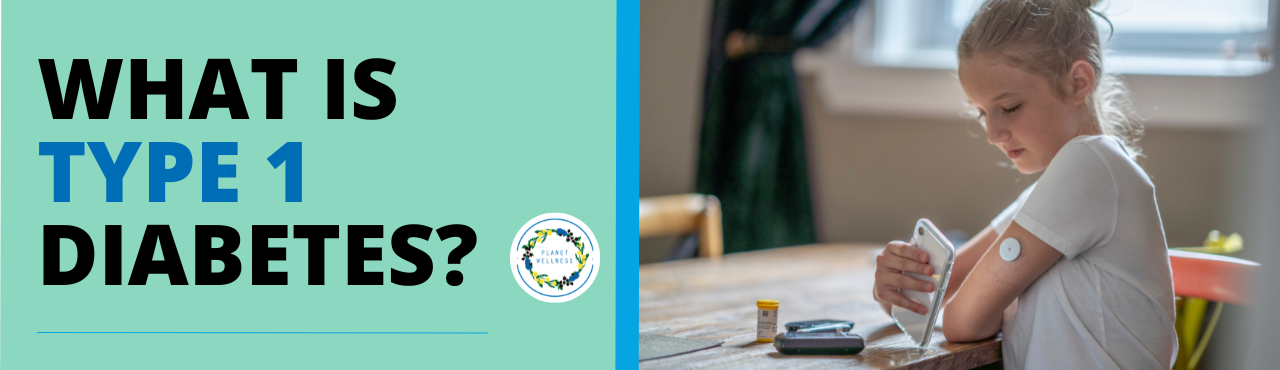
Type 1 diabetes is an autoimmune condition in which the body’s immune system mistakenly attacks and destroys the insulin-producing cells in the pancreas. Without insulin, the body cannot move glucose from the bloodstream into its cells to be used as energy. This means blood sugar levels rise — and without management, this can become dangerous. Unlike type 2 diabetes, type 1 is not caused by lifestyle choices. It can develop at any age, though it most commonly appears in childhood or early adulthood.
Can exercise really cure diabetes? The answer is — it depends. Regular physical activity is one of the most powerful tools to help manage blood sugar levels and maintain a healthy BMI. However, exercise alone is not enough if poor lifestyle habits remain.
Watch: Can Exercise Cure Diabetes? The Truth About Exercise and Type 2 Diabetes
The Basics: What Is Actually Happening?
To understand type 1 diabetes, it helps to understand what insulin does. Every time you eat, your blood sugar rises. In a healthy body, the pancreas releases insulin — a hormone that acts like a key, unlocking your cells so glucose can enter and be used as fuel. In type 1 diabetes, the immune system has destroyed the beta cells responsible for producing that insulin. The key no longer exists.
Without insulin, glucose builds up in the blood. The body, desperate for fuel, begins breaking down fat and muscle instead. This is why, before diagnosis, many people with type 1 diabetes experience rapid weight loss alongside other symptoms.
How Is Type 1 Different From Type 2?
This is one of the most common points of confusion — and it’s worth clearing up.
Type 2 diabetes is closely linked to lifestyle factors such as diet, weight, and physical activity. The pancreas still produces insulin, but the body becomes resistant to it over time. In many cases, type 2 can be significantly improved or even reversed through changes to diet and lifestyle.
Type 1 is different. The pancreas is no longer able to produce insulin at all. This is not a result of eating too much sugar or not exercising enough. It’s an autoimmune response — and currently, people with type 1 require insulin therapy to survive. That said, how you live, eat, and care for yourself plays an enormous role in how well your body functions alongside that treatment.
What Causes Type 1 Diabetes?
The exact cause is not fully understood, which is one of the reasons it can feel so difficult to come to terms with. What we do know is that it involves a combination of genetic predisposition and environmental triggers. Having a close family member with type 1 increases the risk, but many people who develop it have no family history at all.
Certain environmental factors — such as viral infections, gut health, and early childhood exposures — are thought to play a role in triggering the autoimmune response in those who are genetically susceptible. Research in this area is ongoing, and there is growing interest in the role that gut health and the microbiome may play in immune regulation.
Recognising the Symptoms
The Classic Signs
Type 1 diabetes often presents suddenly and can progress quickly. The key symptoms to be aware of include:
- Frequent urination — the body tries to flush excess glucose out through urine
- Extreme thirst — a direct consequence of fluid loss
- Unexplained weight loss — the body breaks down its own tissue for energy
- Fatigue and weakness — cells are being starved of glucose
- Blurred vision — high blood sugar affects the fluid levels in the eyes
- Fruity or sweet-smelling breath — a sign that the body is burning fat for fuel
- Nausea or stomach pain — particularly in children
Why Early Diagnosis Matters
Left undiagnosed, type 1 diabetes can progress to a serious condition called diabetic ketoacidosis (DKA), where the build-up of acids in the blood becomes life-threatening. This is why recognising the symptoms early and seeking medical attention promptly is so important. If you or your child are experiencing several of the above symptoms together, please speak to your GP without delay.
Watch: Diabetes Signs and Symptoms
Living Well With Type 1 Diabetes
A type 1 diagnosis changes life — but it doesn’t have to diminish it. Many people with type 1 live full, active, vibrant lives. Managing the condition does require consistent attention, but the more you understand your own body, the more confident and capable you become.
Nutrition and Blood Sugar Balance
Food has a profound impact on blood sugar levels, and learning how different foods affect your body is genuinely one of the most empowering things you can do. There is no one-size-fits-all diet for type 1, but some general principles hold true for most people:
- Prioritise whole, unprocessed foods — vegetables, wholegrains, legumes, nuts, seeds, and quality proteins
- Be mindful of refined carbohydrates and sugary foods, which cause rapid blood sugar spikes
- Include healthy fats — avocado, olive oil, oily fish — which help slow glucose absorption
- Eat fibre-rich foods to support steady, sustained energy rather than peaks and crashes
Counting carbohydrates is a common and effective tool for people with type 1, as carbs have the most direct impact on blood sugar. But beyond the numbers, the quality of the food matters enormously. Whole, nutrient-dense meals support not just blood sugar balance, but your immune system, energy levels, gut health, and overall sense of wellbeing.
Movement and Exercise
Exercise is brilliant for the body — but with type 1, it requires a little more planning. Physical activity can lower blood sugar levels, so monitoring before, during, and after exercise is important. Different types of exercise can affect blood sugar differently: aerobic activity tends to lower it, while brief, intense exercise can sometimes cause a temporary rise.
The key is to find movement you enjoy, pay attention to how your body responds, and work with your healthcare team to adjust as needed. Walking, swimming, yoga, cycling — it all counts. Moving your body supports circulation, mood, sleep, and long-term health in ways that genuinely make managing diabetes easier.
Sleep, Stress, and Emotional Wellbeing
These are often overlooked, but they matter more than most people realise. Poor sleep raises cortisol, which in turn raises blood sugar. Chronic stress has a similar effect. Managing both isn’t a luxury — it’s part of managing diabetes.
Simple, consistent habits help: going to bed at a similar time each evening, winding down before sleep, spending time outdoors, and making space for rest. If you’re struggling emotionally with your diagnosis — which is entirely understandable — please know that support is available and that what you’re feeling is valid.
Supporting the Body Beyond Insulin
Whilst insulin is essential for type 1 diabetes, many people find that supporting their body in additional ways helps them feel and function better day to day. Nutrients such as magnesium, vitamin D, omega-3 fatty acids, and antioxidants from brightly coloured fruits and vegetables all play a role in immune health, inflammation, and cellular function.
Gut health is an area of growing interest in relation to autoimmune conditions. A diverse, fibre-rich diet that supports a healthy microbiome may help the immune system function more effectively. It’s not about reversing the condition — but about giving your body the best possible environment to thrive within it.
What exactly is pre-diabetes, and how does it affect your health? In this enlightening video, we dive into the early warning signs of pre-diabetes, explaining what it means for your body and why early intervention is crucial.
Watch: What Is Pre-Diabetes?
A Word on Mindset
Living with type 1 diabetes is genuinely hard work. It requires constant awareness, planning, and adjustment. There will be days when blood sugar behaves unexpectedly, when fatigue sets in, or when it all feels like too much. That’s real, and it’s okay to acknowledge it.
But there is also a tremendous amount you can do. Every good meal, every walk, every decent night’s sleep, every moment of calm — these are all acts of care towards your body. And over time, they add up.
Why Choose Planet Wellness?
With over 50 years of proven results in natural health, we bring clinical depth and genuine passion to everything we do using Iridology, Nutrition, and Kinesiology. We are results-driven, not fee-driven. We recommend only top quality, multi award-winning, potency-guaranteed supplements, and we help you turn this kind of guidance into simple, tasty meals you can prepare at home in minutes.
KEEP READING
Want to learn more about managing diabetes naturally? These articles are a great place to continue:
- What are the signs of a diabetic person?
- What is insulin resistance?
- Can prediabetes be cured?
- What is metabolic syndrome?
- Is it safe for diabetics to exercise?
- What are whole foods?
TAKE THE NEXT STEP
Free consultation
Ready to take back control of your health?
Book a free one-to-one consultation with our wellness clinic and discover a personalised, root-cause approach to managing your blood sugar — no generic advice, just a plan built around you.

FREE RESOURCES
Free ebook
Best ways to treat diabetes
A practical, no-fuss guide covering the most effective natural strategies for managing diabetes — written in plain English, with real steps you can start today.
Free ebook
Eat well, live well: the ultimate guide to managing and preventing diabetes the natural way
Discover how the right foods — eaten the right way — can transform your relationship with blood sugar. This guide makes eating for your health genuinely enjoyable.
What Your Eyes Can Reveal About Your Health — Download your free guide
Why Have an Iridology Consultation — Download your free guide
GO DEEPER
Amazon #1 bestseller
The diabetes solution: a 28-day action plan for lowering blood sugar naturally
A step-by-step, 28-day plan that cuts through the confusion and gives you a clear, proven path to lower blood sugar — naturally and sustainably. Thousands of readers have already transformed their health with this book.
LEARN AT YOUR OWN PACE
Course
Beginner’s diabetes introductory course
New to managing diabetes naturally? Start here. This gentle, jargon-free course gives you the foundation to understand what’s happening in your body — and what you can do about it.
Course
Advanced diabetes course
Ready to go further? This in-depth course dives into advanced nutrition, lifestyle strategies, and personalised protocols for those serious about long-term blood sugar mastery.
Disclaimer: The information provided in this article is for educational purposes only and is not intended as medical advice. Always consult a qualified healthcare professional before making changes to your diet, supplement regimen or health programme. Planet Wellness practitioners draw on over 50 years of natural health experience using Iridology, Nutrition, and Kinesiology.