

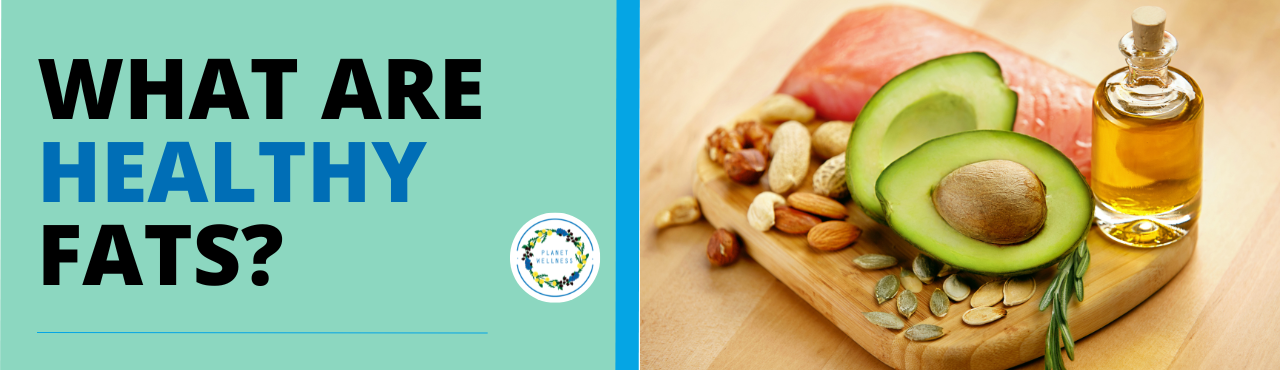
What are healthy fats?
Healthy fats are natural, minimally processed fats that support your body — nourishing your brain, protecting your heart, balancing your hormones, and fuelling you with steady, lasting energy. They are found in whole foods like avocados, olive oil, oily fish, nuts, seeds, and coconut, and unlike the damaged, processed fats found in most packaged foods, they work with your body rather than against it.
For years, fat was painted as the enemy. Low-fat products lined the supermarket shelves, and we were told to avoid it wherever possible. But the reality is far more nuanced — and for many people, getting enough of the right kinds of fat has been one of the most important shifts they’ve made for their long-term health.
🥗 Feeling overwhelmed by conflicting advice about what to eat for diabetes? Start here — these 5 foods are proven, simple, and powerful: 5 foods to focus on for Diabetes.
Watch: 5 Foods to Focus on for Diabetes
Why Does Your Body Need Fat?
Fat is not optional. It is an essential macronutrient — meaning your body cannot function properly without it. Here’s what it actually does:
- Supports brain health — your brain is roughly 60% fat, and it needs good dietary fat to think clearly, stay focused, and maintain emotional balance
- Balances hormones — oestrogen, testosterone, and cortisol are all made from fat; without enough of it, your hormonal system can struggle
- Absorbs fat-soluble vitamins — vitamins A, D, E, and K can only be absorbed in the presence of fat
- Protects your organs — fat cushions your kidneys, heart, and liver
- Keeps you full — healthy fats slow digestion, reducing cravings and blood sugar spikes
- Supports healthy skin and joints — reducing dryness, inflammation, and stiffness
Without adequate fat, your energy, mood, immunity, and metabolic health can all suffer. The goal isn’t to eat less fat — it’s to eat the right kinds.
The Difference Between Healthy and Unhealthy Fats
Not all fats are created equal. It helps to understand the basic categories:
Monounsaturated fats
Found in olive oil, avocados, and almonds — these are widely recognised as some of the most beneficial fats for heart and metabolic health. They are stable, anti-inflammatory, and have been a cornerstone of the Mediterranean diet for centuries.
Polyunsaturated fats (including omega-3s)
Found in oily fish (salmon, mackerel, sardines), walnuts, flaxseeds, and chia seeds. Omega-3 fatty acids in particular are powerful natural anti-inflammatories that support brain, heart, and joint health. Many people in the UK are significantly deficient in omega-3s.
Saturated fats
Found naturally in butter, ghee, coconut oil, eggs, and full-fat dairy. The picture here is more nuanced than the old advice suggested. Natural saturated fats from real, whole foods behave very differently in the body than those found in processed products. Many people thrive when including these in moderate amounts as part of a varied, whole-food diet.
Trans fats and highly processed vegetable oils
These are the fats genuinely worth avoiding. Partially hydrogenated oils, margarine, and the refined vegetable oils used in most packaged foods and takeaways (rapeseed, sunflower, soybean) can promote inflammation and do nothing to support long-term health. The goal is to replace these with naturally occurring fats from real foods.
Watch: 12 Superfoods Every Kitchen Needs
The Best Sources of Healthy Fats
The best way to increase your healthy fat intake is simply to eat more whole foods. Some of the finest sources include:
- Extra virgin olive oil — drizzle over salads, vegetables, and cooked food
- Avocados — one of nature’s most complete foods, rich in monounsaturated fats and fibre
- Oily fish — salmon, mackerel, sardines, herring, and anchovies (aim for two to three portions per week)
- Nuts — walnuts, almonds, Brazil nuts, and cashews make excellent daily snacks
- Seeds — chia seeds, flaxseeds, hemp seeds, and pumpkin seeds are easy to add to porridge, smoothies, or salads
- Eggs — particularly the yolks, which are rich in essential fatty acids and fat-soluble vitamins
- Coconut oil — a stable cooking fat that can be a good alternative to refined vegetable oils
- Full-fat natural yoghurt and cheese — in their unprocessed, natural form
A good starting point? Swap your refined cooking oil for extra virgin olive oil or coconut oil, add half an avocado to your lunch, and get into the habit of eating oily fish twice a week. Small changes add up.
Healthy Fats and Blood Sugar
If you are managing blood sugar — whether you have diabetes, prediabetes, or simply want more stable energy throughout the day — healthy fats are a particularly important tool.
Fat slows the absorption of glucose into the bloodstream. When you eat fat alongside carbohydrates, the energy release is more gradual, which means fewer spikes, fewer crashes, and more sustained energy. This is one reason why switching from a low-fat, carbohydrate-heavy diet to one that includes more healthy fats can make such a noticeable difference in how people feel day to day.
Foods like avocado, olive oil, and oily fish are also naturally anti-inflammatory — and chronic, low-grade inflammation is one of the key drivers of insulin resistance. Supporting your body with the right fats is, in this sense, a deeply practical step toward metabolic health.
🥛 Is milk making your blood sugar worse? Most diabetics are drinking the WRONG type — find out which milks to choose and which to avoid for better blood sugar control: Is Milk Good for Diabetes?
Watch: Is Milk Good for Diabetes? Best & Worst Milk Choices for Blood Sugar Control
What About Fat and Weight?
One of the most common concerns people have is whether eating more fat will cause weight gain. It’s a fair question, given how the message was pushed for decades. But the evidence tells a different story.
Healthy fats are satiating — meaning they keep you fuller for longer. When people replace refined carbohydrates and processed snacks with whole foods that include natural fats, they often find their appetite naturally regulates, cravings reduce, and weight becomes easier to manage.
The issue was never fat itself — it was what replaced fat when manufacturers removed it. Low-fat products are typically packed with added sugar, refined starches, and additives to compensate for the loss of flavour and texture. These are precisely the ingredients most likely to disrupt blood sugar, trigger cravings, and contribute to weight gain over time.
Watch: Foods to Avoid to Prevent Diabetes — Healthy Alternatives & Practical Tips
A Simple Mindset Shift
Rather than thinking about fat in terms of “good” and “bad” in an overly complicated way, it can help to ask one simple question: is this fat found in a whole, real food, or has it been extracted, refined, and processed?
Olive oil pressed from olives — yes. Margarine made from chemically altered vegetable oils — no. Oily fish caught from the sea — yes. Crisps fried in refined sunflower oil — no.
That single question will take you a long way.
Why Choose Planet Wellness?
With over 50 years of proven results in natural health, we bring clinical depth and genuine passion to everything we do using Iridology, Nutrition, and Kinesiology. We are results-driven, not fee-driven. We recommend only top quality, multi award-winning, potency-guaranteed supplements, and we help you turn this kind of guidance into simple, tasty meals you can prepare at home in minutes.
KEEP READING
Want to learn more about managing diabetes naturally? These articles are a great place to continue:
- What are whole foods?
- What is insulin resistance?
- What is metabolic syndrome?
- Are eggs good for diabetics?
- What fruit is best for diabetics?
- How to prevent diabetes: your complete natural guide
TAKE THE NEXT STEP
Free consultation
Ready to take back control of your health?
Book a free one-to-one consultation with our wellness clinic and discover a personalised, root-cause approach to managing your blood sugar — no generic advice, just a plan built around you.

FREE RESOURCES
Free ebook
Best ways to treat diabetes
A practical, no-fuss guide covering the most effective natural strategies for managing diabetes — written in plain English, with real steps you can start today.
Free ebook
Eat well, live well: the ultimate guide to managing and preventing diabetes the natural way
Discover how the right foods — eaten the right way — can transform your relationship with blood sugar. This guide makes eating for your health genuinely enjoyable.
What Your Eyes Can Reveal About Your Health — Download your free guide
Why Have an Iridology Consultation — Download your free guide
GO DEEPER
Amazon #1 bestseller
The diabetes solution: a 28-day action plan for lowering blood sugar naturally
A step-by-step, 28-day plan that cuts through the confusion and gives you a clear, proven path to lower blood sugar — naturally and sustainably. Thousands of readers have already transformed their health with this book.
LEARN AT YOUR OWN PACE
Course
Beginner’s diabetes introductory course
New to managing diabetes naturally? Start here. This gentle, jargon-free course gives you the foundation to understand what’s happening in your body — and what you can do about it.
Course
Advanced diabetes course
Ready to go further? This in-depth course dives into advanced nutrition, lifestyle strategies, and personalised protocols for those serious about long-term blood sugar mastery.
Disclaimer: The information provided in this article is for educational purposes only and is not intended as medical advice. Always consult a qualified healthcare professional before making changes to your diet, supplement regimen or health programme. Planet Wellness practitioners draw on over 50 years of natural health experience using Iridology, Nutrition, and Kinesiology.