

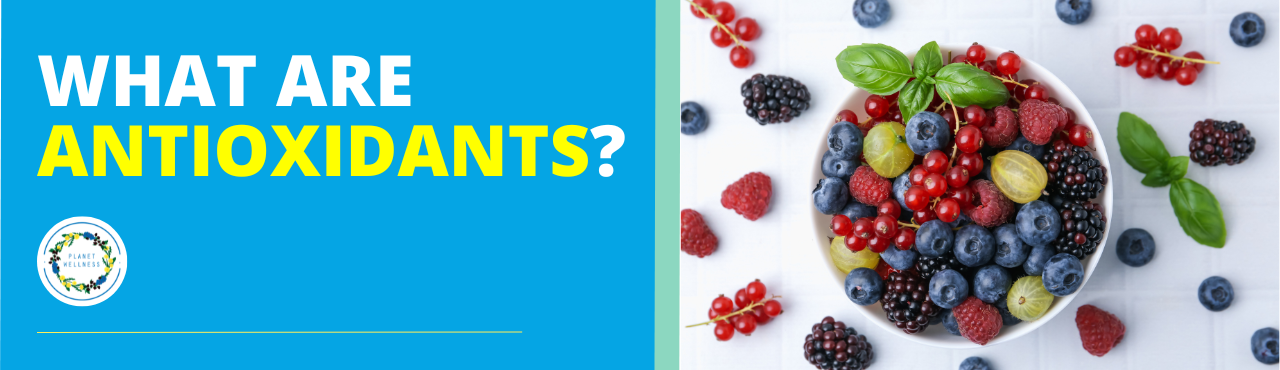
What are antioxidants?
Antioxidants are natural compounds found in food that help protect your body’s cells from damage. They do this by neutralising harmful molecules called free radicals — unstable particles that, when left unchecked, can contribute to inflammation, accelerated ageing, and a range of chronic health conditions. That’s the short answer. But understanding why antioxidants matter — and how to get more of them into your life — can genuinely change the way you eat, feel, and age.
🍓 Not all fruit is safe for diabetics — some spike your blood sugar faster than a chocolate bar. Which ones are actually safe to eat? Which fruit is best for Diabetes?
The Problem: Free Radicals To understand antioxidants, you first need to know about free radicals. Free radicals are produced naturally as a by-product of normal bodily processes — things like breathing, digesting food, and converting nutrients into energy. They’re also generated by external factors such as pollution, cigarette smoke, excessive sun exposure, alcohol, stress, and processed foods. In small amounts, free radicals are harmless — your body actually uses them as part of its immune response. The trouble starts when they accumulate faster than the body can manage. When free radicals are in excess, they trigger a state known as oxidative stress. Think of it like rust forming on metal when it’s exposed to air and moisture. The same kind of oxidative damage can occur in your body — wearing down your cells, tissues, and DNA over time. Oxidative stress has been linked to conditions including heart disease, type 2 diabetes, certain cancers, arthritis, cognitive decline, and premature ageing of the skin.
Enter Antioxidants Antioxidants are, quite literally, the body’s defence system against this damage. They work by donating an electron to a free radical — effectively stabilising it before it can cause harm. The remarkable thing is that antioxidants can do this without becoming unstable themselves. Your body produces some antioxidants naturally, but for most people, the amounts produced internally simply aren’t enough — especially in today’s world, where exposure to environmental toxins and processed foods has increased dramatically. This is where diet becomes so important.
Types of Antioxidants There are many different types of antioxidants, each with its own way of protecting the body. Here are the main ones to know about: Vitamin C One of the most well-known antioxidants. Found abundantly in citrus fruits, kiwis, strawberries, red peppers, and leafy greens, vitamin C helps protect cells and supports immune function. Vitamin E A fat-soluble antioxidant found in nuts, seeds, avocados, whole grains, and olive oil. It works particularly well at protecting cell membranes from oxidative damage. Beta-Carotene The pigment that gives carrots, sweet potatoes, and mangoes their vibrant colour. In the body, beta-carotene converts into vitamin A and acts as a powerful antioxidant, especially for skin and eye health. Selenium A mineral antioxidant found in Brazil nuts, eggs, sunflower seeds, and wholegrains. Selenium supports the body’s own antioxidant enzyme systems. Flavonoids & Polyphenols These plant compounds give fruits, vegetables, herbs, and teas their deep colours and distinct flavours. Quercetin (in apples and onions), anthocyanins (in berries), and catechins (in green tea) are all examples. They carry impressive anti-inflammatory and cell-protective properties. Zinc Often overlooked as an antioxidant, zinc plays a key role in supporting the body’s internal defence enzymes and immune health. It’s found in pumpkin seeds, legumes, meat, and wholegrains.
Where Do You Find Antioxidants? The good news is that antioxidants aren’t exotic or expensive — they’re found in the everyday foods that nature has always provided. Top food sources include:
* Berries — blueberries, blackberries, raspberries, and strawberries are among the richest sources of antioxidants of any food. They’re packed with anthocyanins and vitamin C.
* Dark leafy greens — spinach, kale, and Swiss chard contain beta-carotene, vitamin C, vitamin E, and a range of protective plant compounds.
* Brightly coloured vegetables — tomatoes, red peppers, sweet potatoes, and carrots. The more vibrant the colour, the higher the antioxidant content tends to be.
* Nuts and seeds — walnuts, almonds, sunflower seeds, and Brazil nuts deliver vitamin E and selenium.
* Green tea — rich in catechins, a type of flavonoid with potent protective properties.
* Dark chocolate — good quality dark chocolate (70% cocoa or above) is a surprisingly rich source of flavonoids.
* Herbs and spices — turmeric, ginger, cinnamon, and cloves are some of the most antioxidant-dense foods by weight.
* Citrus fruits — oranges, lemons, limes, and grapefruits for a solid hit of vitamin C.
* Olive oil — particularly extra virgin, which is rich in polyphenols and vitamin E.
Why a Varied, Whole-Food Diet Matters One of the most important things to understand about antioxidants is that they work best as a team. Different antioxidants protect different parts of the body. Vitamin C, for example, works in water-based environments inside cells, whilst vitamin E works in fatty, membrane-based environments. They actually help regenerate each other when paired together. This is why no single supplement can replicate the protective power of a varied diet full of whole, natural foods. The combinations found in nature — the vitamins, minerals, fibre, and phytonutrients all present in one apple or one handful of berries — are far more effective than isolated compounds taken alone. A good rule of thumb: eat the rainbow. The more colours on your plate, the wider your range of antioxidants.
Antioxidants and Chronic Disease There’s a strong relationship between antioxidant intake and the prevention of chronic disease — something that’s particularly relevant for those managing conditions like diabetes, heart disease, or inflammatory conditions such as arthritis and psoriasis. Antioxidants and Blood Sugar Oxidative stress plays a direct role in the development and progression of type 2 diabetes. It interferes with insulin signalling, promotes inflammation, and contributes to the damage of blood vessels and nerves over time. Foods rich in antioxidants — particularly berries, leafy greens, and cinnamon — support healthy blood sugar balance and reduce the inflammatory burden on the body. Antioxidants and Heart Health Free radical damage to artery walls is a key factor in the development of cardiovascular disease. Antioxidants, particularly flavonoids and vitamin E, help protect these walls and support healthy blood pressure and cholesterol levels. Antioxidants and Skin Health The skin is constantly exposed to oxidative stress from UV rays, pollution, and environmental toxins. Antioxidants — particularly vitamin C, vitamin E, and beta-carotene — play a crucial role in maintaining skin integrity, reducing inflammation, and slowing visible ageing from the inside out.
Getting the Most from Your Antioxidants A few practical tips to help you maximise your intake: Cook lightly where possible. Some antioxidants, particularly vitamin C, are sensitive to heat. Steaming, lightly sautéing, or eating vegetables raw where appropriate helps preserve their content. Go for variety over quantity. You don’t need to eat huge amounts of any one food. A small handful of berries, some leafy greens, a few nuts, and a cup of green tea across the day goes a long way. Choose whole foods over supplements. Isolated antioxidant supplements don’t always deliver the same benefits as the real thing. When antioxidants come bundled with fibre, enzymes, and other phytonutrients in whole food, they’re far more bioavailable and effective. Think quality. Organic produce tends to carry a higher antioxidant load, as plants produce more protective compounds when they’re grown without pesticides and forced to develop their own natural defences. Reduce oxidative load. It’s not just about adding antioxidants — it’s also about reducing the factors that generate excess free radicals. Cutting back on processed foods, alcohol, smoking, and managing stress all reduce the burden on your body’s defences.
Discover the 5 Best Foods to Prevent Diabetes Naturally! 🥦🍊🍓 5 recommended foods to prevent diabetes
A Final Word : Antioxidants aren’t a miracle cure, and they shouldn’t be treated as one. But they are a powerful reminder of just how intelligent the natural food world is — and how well our bodies function when we give them what they genuinely need. If there’s one simple shift you can make, it’s this: eat more colour. Fill your plate with fruits, vegetables, herbs, and whole foods in their most natural form. Your cells will thank you for it.
Disclaimer: This article is for educational purposes only and not a substitute for professional medical advice. Always seek diagnosis and treatment from a qualified healthcare provider, which is specific to your own case.
TAKE THE NEXT STEP
Free consultation — Book a one-to-one session with our experienced natural health practitioners.
Book your free consultation here →

FREE RESOURCES
Free ebook — Best ways to treat diabetes
Download your free diabetes guide here →

Free ebook — Eat well, live well
Download your free Eat Well Live Well guide here →
GO DEEPER
The Diabetes Solution — Our comprehensive book covering natural approaches to blood sugar management.
Get The Diabetes Solution book here →
LEARN AT YOUR OWN PACE
Beginner’s diabetes course
Start the beginner’s course here →
Advanced diabetes course
Explore the advanced course here →

KEEP READING
Want to learn more about managing diabetes naturally? These articles are a great place to continue.
→ 3 Most Common Symptoms of Undiagnosed Diabetes
→ Why Am I Going To The Toilet Frequently?
→ What Are The First Signs Of Diabetes?
→ Hyperglycemia: Symptoms, Causes, and Treatments