
What are ultra-processed foods (UPFs)?
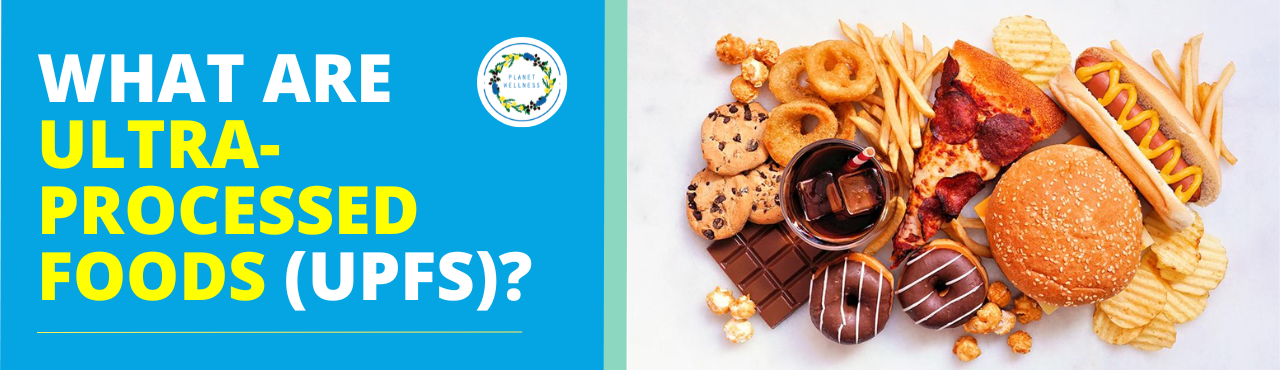
Ultra-processed foods (UPFs) are industrial food products that have been manufactured using combinations of refined ingredients, artificial additives, preservatives, colours, flavourings, and emulsifiers — substances that are rarely, if ever, found in a home kitchen. In short, they are foods that have been taken far from their original natural state. Think of the ready meal that lists twenty-plus ingredients you can’t pronounce. The brightly coloured cereal aimed at children. The flavoured yoghurt with a shelf life that seems impossibly long. The diet snack bar engineered to taste indulgent without any of nature’s goodness. These are all ultra-processed foods, and they now make up a significant proportion of what many people in the UK eat every single day. But why does this matter, and what does it actually mean for your health and wellbeing? Let’s break it down.
Struggling to understand which foods can raise your risk of developing type 2 diabetes? This video dives into the main dietary culprits — from excessive sugar to highly processed foods — and explores how they may contribute to insulin resistance and imbalances in the body. https://youtu.be/tk2mGIhjUqw?si=ZeI-3rESrOS6HbSl
What makes a food “ultra-processed”? Not all processed food is bad. Freezing vegetables, fermenting milk into yoghurt, or cold-pressing olive oil — these are all forms of processing, and they can actually preserve nutritional value. The problem is when food is taken several steps further. A widely used classification system called NOVA divides food into four groups: * Group 1 — Unprocessed or minimally processed foods: fresh fruit, vegetables, eggs, plain meat, nuts, seeds, legumes. * Group 2 — Processed culinary ingredients: olive oil, butter, flour, salt, sugar used in cooking. * Group 3 — Processed foods: tinned fish, cheese, cured meats, simple breads. * Group 4 — Ultra-processed foods: the products we’re talking about here. What puts something in Group 4 is the presence of industrial ingredients and additives that don’t serve any nutritional purpose — they exist purely to extend shelf life, improve texture, enhance flavour artificially, or make a product visually appealing.
Common examples of UPFs You might be surprised by just how many everyday foods fall into this category. Here are some common ones: * Packaged crisps, biscuits, and savoury snacks * Fizzy drinks and flavoured juices * Breakfast cereals with added sugars and artificial colours * Flavoured instant noodles and packet soups * Processed meat products such as chicken nuggets, hot dogs, and reconstituted deli meats * Ready meals and fast food * Flavoured yoghurts with thickeners and sweeteners * Mass-produced sliced bread * Margarine and flavoured spreads * Many “diet”, “low-fat”, or “sugar-free” products The clue is often in the ingredient list. If you see a long list containing things like maltodextrin, carrageenan, high-fructose corn syrup, xanthan gum, artificial sweeteners, or modified starch, you are almost certainly looking at an ultra-processed product.
Why are UPFs a concern? They are stripped of natural nourishment One of the biggest issues with UPFs is not just what has been added — it’s what has been removed. When food is heavily refined and processed, much of its natural fibre, vitamins, minerals, and beneficial plant compounds are lost in the process. What remains is often energy-dense but nutritionally hollow. Your body was designed to thrive on whole, real food. When you eat a fresh apple, for example, you receive fibre, natural sugars, vitamin C, and a host of plant compounds — all in a form that your body knows how to use. When you eat an apple-flavoured snack bar, you may get a similar number of calories, but without the intelligence of the whole food behind it. They are designed to make you keep eating Ultra-processed foods are specifically engineered to be hyperpalatable — a fancy way of saying they are crafted to hit the perfect combination of salt, sugar, fat, and texture so that your natural satiety signals are overridden. This is not accidental. The food industry spends vast resources designing products that keep you reaching for more. This can interfere with your body’s natural ability to regulate appetite and energy, which over time can contribute to weight gain and a disconnection from what genuine hunger actually feels like. The link to chronic health conditions A growing body of research points to strong associations between high UPF consumption and a range of chronic health conditions, including type 2 diabetes, cardiovascular disease, poor gut health, low mood, and even certain cancers. In the UK, where UPFs are estimated to make up around 57% of the average adult’s calorie intake, this is a pressing public health concern. For people managing or seeking to prevent type 2 diabetes in particular, the connection is especially significant. Diets high in UPFs tend to be high in refined carbohydrates and added sugars, which can affect blood sugar regulation and strain the body’s natural balancing mechanisms over time. They can disrupt your gut Your gut is home to trillions of microorganisms that play a vital role in everything from digestion and immunity to mood and energy levels. Many of the additives found in UPFs — particularly emulsifiers and artificial sweeteners — have been shown in research to negatively affect the gut microbiome, potentially contributing to inflammation and digestive issues. Real, whole food feeds and nourishes the gut. UPFs, in contrast, often leave it depleted.
So what should we eat instead? The good news is that the answer is fairly straightforward, even if putting it into practice takes some adjustment. Focus on whole foods in their most natural form: fresh and frozen vegetables and fruits, whole grains like brown rice, oats, and quinoa, legumes such as lentils and chickpeas, eggs, plain dairy, nuts, seeds, and quality proteins. These foods feed your body the way nature intended. Cook from scratch when you can. Even simple meals prepared at home give you full control over what goes in — and what stays out. You don’t need to be a chef to make real food. A simple lentil soup, a piece of grilled fish with roasted vegetables, or a bowl of porridge topped with fruit will always serve your body far better than any packaged alternative. When shopping, reading ingredient labels is one of the most empowering habits you can build. A shorter ingredient list, containing recognisable whole-food ingredients, is generally a very good sign.
This video stresses the importance of proactive health management for disease prevention, urging action before a prediabetes or diabetes diagnosis. It looks at how physical activity and healthy lifestyle choices — including what you eat — are crucial for supporting the body naturally. How to prevent, manage and reverse Type 2 Diabetes
A note on balance This isn’t about perfection. Life happens, convenience is sometimes necessary, and an occasional UPF is not going to derail your health. What matters is the overall pattern of your diet — and ensuring that the majority of what you eat day to day is genuinely nourishing. Think of it as crowding out rather than cutting out. The more whole, real foods you bring in, the less room there is for the ultra-processed alternatives. Your body has a remarkable capacity to restore balance and vitality when given the right building blocks. Food is one of the most powerful tools you have.
Disclaimer: This article is for educational purposes only and not a substitute for professional medical advice. Always seek diagnosis and treatment from a qualified healthcare provider, which is specific to your own case.
________________
TAKE THE NEXT STEP
Free consultation — Book a one-to-one session with our experienced natural health practitioners.
Book your free consultation here →

FREE RESOURCES
Free ebook — Best ways to treat diabetes
Download your free diabetes guide here →

Free ebook — Eat well, live well
Download your free Eat Well Live Well guide here →
GO DEEPER
The Diabetes Solution — Our comprehensive book covering natural approaches to blood sugar management.
Get The Diabetes Solution book here →
LEARN AT YOUR OWN PACE
Beginner’s diabetes course
Start the beginner’s course here →
Advanced diabetes course
Explore the advanced course here →

KEEP READING
Want to learn more about managing diabetes naturally? These articles are a great place to continue.
→ 3 Most Common Symptoms of Undiagnosed Diabetes
→ Why Am I Going To The Toilet Frequently?
→ What Are The First Signs Of Diabetes?
→ Hyperglycemia: Symptoms, Causes, and Treatments