

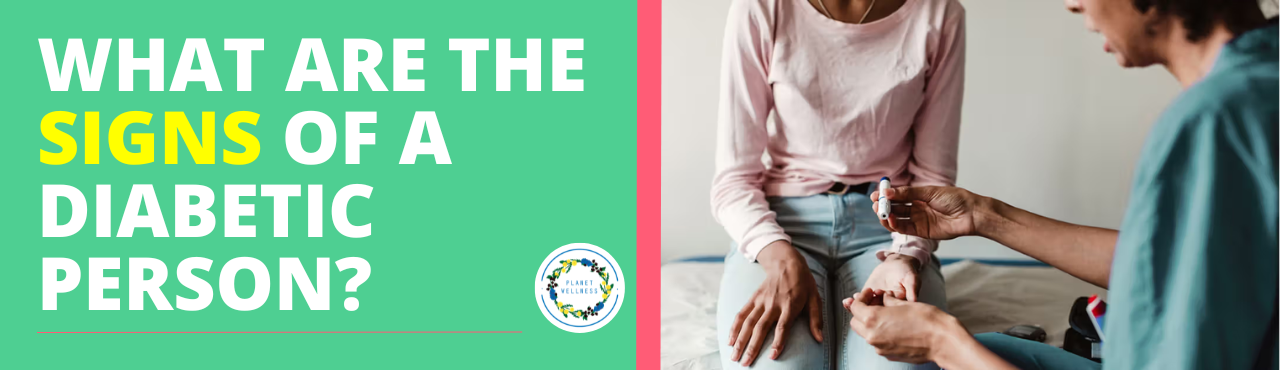
What are the signs of a diabetic person?
The signs of diabetes include frequent urination, extreme thirst, unexplained fatigue, blurry vision, slow-healing wounds, increased hunger, tingling in the hands or feet, and unexplained weight loss. Also, spotting these early can make all the difference to your health and wellbeing.
Why It Matters to Recognise the Signs Early
Diabetes affects how your body processes blood sugar (glucose), and when left unaddressed, it can quietly cause harm over time. The good news? Furthermore, many people who catch it early go on to manage it beautifully — often through lifestyle, food, movement, and mindful living.
This article walks you through the key warning signs, what they mean for your body, and how a more natural, whole-body approach can support your health journey.
The Most Common Signs of Diabetes
1. Needing to Wee — A Lot
One of the earliest and most telling signs is frequent urination, especially at night. In addition, when blood sugar is too high, your kidneys work overtime to filter and flush out the excess — meaning more trips to the loo than usual.
2. Constant Thirst That Won’t Quit
All that extra urination leads to dehydration, which triggers an almost unquenchable thirst. Moreover, if you’re drinking more than usual but still feel parched, it’s worth paying attention.
3. Unexplained Fatigue
Feeling exhausted even after a full night’s sleep? However, when your cells can’t properly absorb glucose for energy, your body runs on empty — no matter how much rest you get. Therefore, this kind of deep, persistent tiredness is a common early signal.
4. Blurry Vision
High blood sugar can cause the lens of your eye to swell, leading to blurred or shifting vision. As a result, it’s easy to dismiss this as tiredness or screen time, but it’s one of the body’s clearest ways of saying something is off.
5. Slow-Healing Cuts or Wounds
Does a small cut seem to take forever to heal? Importantly, elevated blood sugar affects circulation and the body’s natural repair process, meaning even minor wounds can linger longer than they should.
6. Tingling or Numbness in Hands and Feet
This sensation — often described as pins and needles — can be a sign that high blood sugar is beginning to affect the nerves. In fact, it’s typically felt in the extremities and shouldn’t be ignored.
7. Increased Hunger
Even after eating, people with unmanaged blood sugar often feel hungry again quickly. In particular, because the body struggles to convert glucose into usable energy, it sends hunger signals looking for more fuel.
8. Unexplained Weight Loss
Particularly common with Type 1 diabetes, sudden weight loss — without trying — can occur when the body starts breaking down fat and muscle for energy instead of using glucose properly.
What Your Body Is Really Telling You
These symptoms are your body’s way of communicating that something needs attention. Additionally, rather than viewing them as frightening, try to see them as valuable messages. Notably, the body is always working to find balance — and with the right support, it often can.
It’s worth speaking to your GP if you notice several of these signs, particularly if they’ve come on gradually or seem to be worsening. Also, early awareness gives you more options and more time to respond.
A Whole-Body Approach to Blood Sugar Balance
Managing blood sugar isn’t just about medication — though that may be part of the picture for some. Furthermore, there’s a great deal you can do through everyday choices to support your body’s natural ability to regulate glucose.
Nourish With Real Food
A diet rich in whole foods — vegetables, legumes, healthy fats, quality proteins, and low-glycaemic fruits — helps keep blood sugar more stable throughout the day. In addition, reducing ultra-processed foods, refined sugars, and white carbohydrates makes a significant difference for many people.
Move Your Body Regularly
Physical activity is one of the most powerful natural tools for blood sugar balance. Moreover, even a 20–30 minute walk each day can improve insulin sensitivity and support your body’s ability to use glucose efficiently.
Prioritise Sleep and Manage Stress
Sleep deprivation and chronic stress both raise cortisol, which in turn raises blood sugar. However, prioritising rest, reducing mental load, and exploring calming practices like breathwork, yoga, or time in nature can all support a healthier hormonal environment.
Support Gut Health
An increasingly recognised factor in blood sugar regulation is gut health. Therefore, a diverse, fibre-rich diet supports beneficial gut bacteria, which play a role in metabolic health. As a result, fermented foods like kefir, sauerkraut, and live yoghurt can be wonderful additions.
Consider Supportive Supplements
Certain nutrients — such as magnesium, chromium, berberine, and cinnamon — have been studied for their role in supporting healthy glucose metabolism. Importantly, always speak with a qualified practitioner before introducing new supplements, especially if you’re already on medication.
You’re Not Alone in This
Whether you’ve just noticed some of these signs, or you’ve been living with diabetes for years, know that support is available — and that your body is more capable of balance than you might think. In fact, small, consistent changes in how you eat, move, rest, and live can have a profound impact on how you feel day to day.
At Planet Wellness, we believe in empowering you with knowledge and compassionate guidance so you can take meaningful steps towards your best health.
Disclaimer: This article is for educational purposes only and not a substitute for professional medical advice. In particular, always seek diagnosis and treatment from a qualified healthcare provider, which is specific to your own case.
TAKE THE NEXT STEP
Book a complimentary 15-minute Zoom consultation with us (valued at £99) to discuss your specific health concerns and receive personalised guidance from our experienced natural health practitioners.

FREE RESOURCES



Disclaimer: The information provided in this article is for educational purposes only and is not intended as medical advice. Notably, always consult a qualified healthcare professional before making changes to your diet, supplement regimen or health programme. Planet Wellness practitioners draw on over 50 years of natural health experience using Iridology, Nutrition, and Kinesiology.