

29 Wroxham Way, Ilford, Essex IG6 2GG

Top

hypoglycaemia Tag

Organic Health Solutions / Posts tagged "hypoglycaemia"

What happens if blood sugar drops too low?

When blood sugar drops too low, your body goes into a kind of gentle alarm mode. You might feel shaky, sweaty, light-headed or suddenly ravenous, and if it drops far enough, you can become confused, faint, or in rare cases lose consciousness. This is called hypoglycaemia, and it happens because your brain and muscles are running low on the fuel they need to function properly. The good news is that, for most people, a low is easy to recognise, quick to treat, and even easier to prevent once you understand what's driving it. 📈 Diabetes is rising at an alarming rate worldwide — but why? And more importantly, what can YOU do about it? Watch: Why is Diabetes on the Increase? https://youtu.be/mfYCRSaXg0A?si=Afhb3k5jlVI39d6b What Counts As "Too Low"? For most adults,...
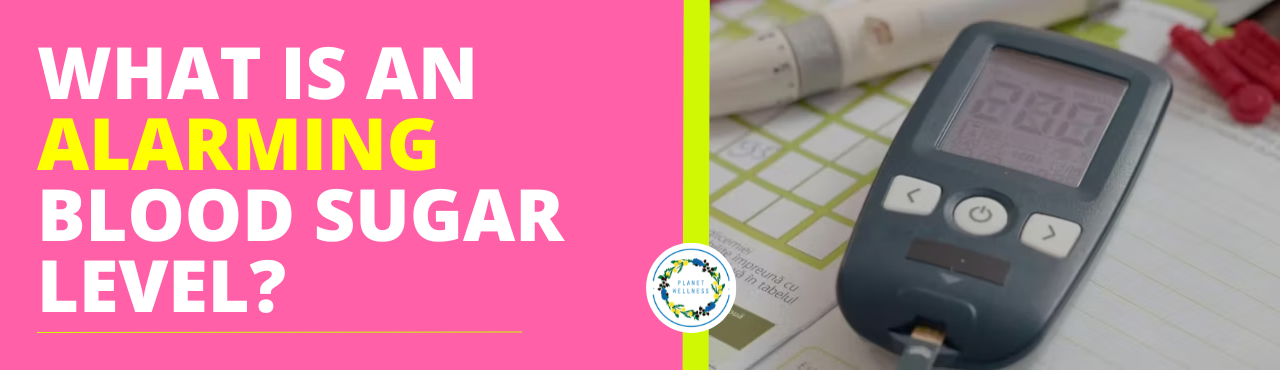
What is an alarming blood sugar level?

An alarming blood sugar level is generally considered to be below 3.0 mmol/L (hypoglycaemia) or above 16.7 mmol/L (hyperglycaemia). These thresholds signal that your body is under significant stress and needs attention — fast. Are you wondering why diabetes is increasing at an alarming rate worldwide? In this video, we break down the real reasons behind the rise in diabetes and what you can do to protect your health. Why Blood Sugar Balance Matters Your blood sugar — or blood glucose — is the body's primary fuel source. When it dips too low or climbs too high, every system in your body feels it. Think of it like the tide: a gentle ebb and flow is natural, but extremes in either direction can cause real damage. Keeping your levels...

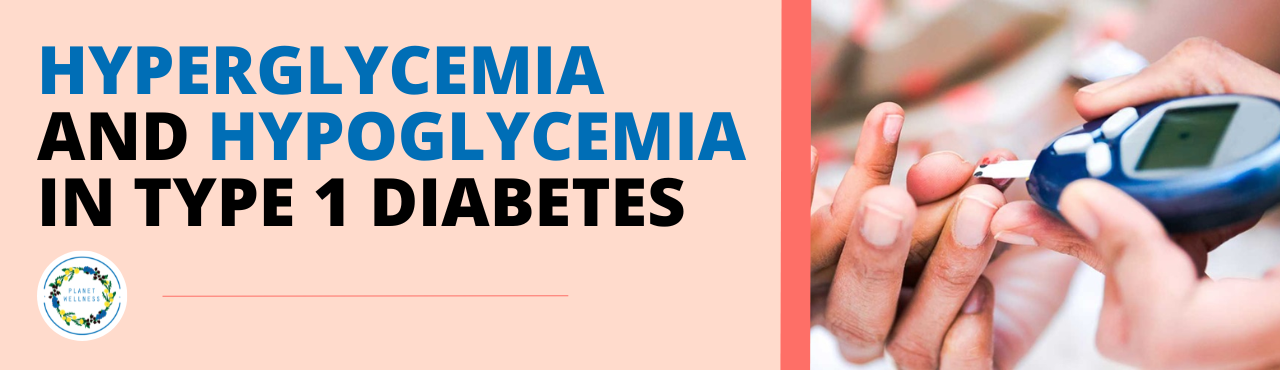
Hyperglycemia and hypoglycemia in Type 1 diabetes

High blood sugar is hyperglycemia and low blood sugar is hypoglycemia. They are both prevalent in individuals with type 1 diabetes and may prove harmful without treatment.     In type 1 diabetes, the body has stopped producing insulin that is required to regulate blood sugar. Individuals living with type 1 diabetes should pay careful attention to the balance of insulin, food, and exercise to maintain blood sugar at acceptable levels. This balance may be disrupted by excessive or insufficient insulin, a skipped meal, stress or illness, resulting in hyperglycemia or hypoglycemia.     This article shall define hyperglycemia and hypoglycemia, its causes, its symptoms, its complications, and what to do about it.   If you've ever asked yourself, "Will my diabetes ever go away?" you're not alone. In this honest and informative...