
29 Wroxham Way, Ilford, Essex IG6 2GG

Top

Health

Organic Health Solutions / Health (Page 2)

What Is Leaky Gut Syndrome β€” and Is It Real?

Leaky gut syndrome describes a state where the lining of your gut becomes more permeable than it should be, allowing particles that ought to stay inside your digestive tract β€” undigested food fragments, toxins, and bacteria β€” to slip into your bloodstream. Is it real? The short answer is yes and no. The underlying mechanism, known medically as increased intestinal permeability, is genuinely recognised and well documented. What's contested is whether it deserves to be called its own "syndrome" with a fixed list of symptoms and a single cause. For anyone dealing with bloating, fatigue, skin flare-ups or food sensitivities that never quite add up, that distinction matters far less than finding out what's actually going on β€” and what can be done about it. Let's...
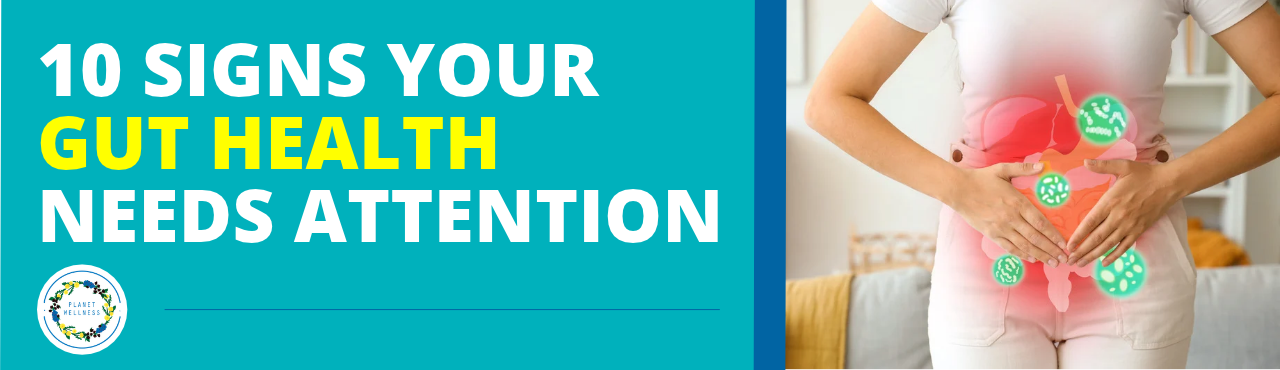
10 Signs Your Gut Health Needs Attention

Bloating after meals, skin that won't settle, energy that dips no matter how much sleep you get, and sugar cravings you can't shake β€” these are some of the clearest signals that your gut needs a little more care. Your gut does far more than digest your dinner; it plays a part in your immunity, your mood, and how clearly you think, which is why gut trouble tends to show up in so many different ways. Below are the ten signs worth paying attention to, along with simple, natural ways to start supporting your gut today. Watch our short video to learn more. Please enjoy and remember to like, comment, share and subscribe! https://youtu.be/e7KoWe_gLJ8 1. You're Bloated More Often Than Not A bit of bloating after a big meal...

What Exactly Does Meditation Do?

In short: meditation gives your nervous system permission to stand down. When you sit quietly and bring your attention to your breath, a sound, or simply the present moment, you shift your body out of the low-level β€œalert” state so many of us live in day to day, and into a state where it can properly rest, digest and repair. The effects show up as calmer thoughts, steadier energy, better sleep, and a body that isn't quietly running on stress hormones from the moment you wake up. That's the headline. The rest of this article unpacks what's really going on when you meditate, why it matters for your wider wellbeing, and how to bring it into a normal, busy life without turning it into another chore...

What is Deep Breathing?

Deep breathing is a simple breathing technique where you deliberately slow and deepen your breaths, allowing your diaphragm to do more of the work. Unlike shallow breathing, which tends to happen higher in the chest, deep breathing encourages a slower, fuller breath and can help you feel calmer and more present. The wonderful thing about deep breathing is that you already have everything you need to practise it. No equipment, special clothing or expensive wellness programme is required. You simply pause, breathe and give your body a moment to settle. 🎥 Watch our video where Petrina shares "Which Supplement Is Recommended For Stress?" 🎥 🍃 We will provide you with a complimentary bag of organic olive leaves and other medicinal herbs in season when you have a full...

What do you mean by mindfulness?

Mindfulness means paying full, gentle attention to what is happening right now β€” your thoughts, your body, your surroundings β€” without rushing to judge it or fix it. It is not about switching your mind off. It is about switching your awareness on, so you notice life as it happens instead of missing it while you're lost in yesterday's worries or tomorrow's to-do list. That's the short answer. The rest of this article looks at what mindfulness really involves, why it matters for your wellbeing, and simple ways to bring it into your everyday life. Watch: Which Supplement Is Recommended For Stress? https://youtu.be/z-hdelQ3IVE Breaking down what mindfulness actually is It's a skill, not a personality trait Some people assume mindfulness is something you're either naturally good at or not β€” like...

What happens if blood sugar drops too low?

When blood sugar drops too low, your body goes into a kind of gentle alarm mode. You might feel shaky, sweaty, light-headed or suddenly ravenous, and if it drops far enough, you can become confused, faint, or in rare cases lose consciousness. This is called hypoglycaemia, and it happens because your brain and muscles are running low on the fuel they need to function properly. The good news is that, for most people, a low is easy to recognise, quick to treat, and even easier to prevent once you understand what's driving it. πŸ“ˆ Diabetes is rising at an alarming rate worldwide β€” but why? And more importantly, what can YOU do about it? Watch: Why is Diabetes on the Increase? https://youtu.be/mfYCRSaXg0A?si=Afhb3k5jlVI39d6b What Counts As "Too Low"? For most adults,...

Health benefits of fibre

Fibre keeps your blood sugar steadier, your digestion running smoothly, your heart healthier, and your appetite properly satisfied β€” and most of us in the UK aren't getting nearly enough of it. If you take one thing from this article, let it be this: fibre isn't a "nice to have" tucked away in the small print of a healthy eating plan. It's one of the most powerful, accessible tools you have for feeling well, day to day and for years to come. The good news? Getting more of it doesn't require anything complicated, expensive, or restrictive. It simply means choosing foods closer to how nature made them. Let's look at why fibre matters so much, and how to bring more of it into your everyday meals...

Blood sugar explained

Blood sugar, or blood glucose, is simply the amount of sugar travelling through your bloodstream at any given moment. It comes from the food you eat, and it's your body's main source of fuel β€” powering everything from your muscles to your brain. The goal isn't to avoid sugar altogether; it's to keep your levels steady, rather than letting them swing sharply up and down. That steadiness is where energy, mood, and long-term wellbeing really come from. Can exercise really cure diabetes? The answer is – it depends. Regular physical activity is one of the most powerful tools to help manage blood sugar levels and maintain a healthy BMI. However, exercise alone is not enough if poor lifestyle habits remain. Watch: Can Exercise Cure Diabetes? | The...

Obesity explained

Obesity simply means carrying more body fat than is healthy for your frame β€” typically defined in the UK as having a Body Mass Index (BMI) of 30 or above. But that one-line definition barely scratches the surface. Obesity isn't a character flaw or a lack of willpower; it's a complex condition shaped by genetics, hormones, gut health, sleep, stress and the food environment we all live in. The encouraging news is that, for most people, it's also something that can be gently and sustainably improved β€” not through punishing diets, but through working with your body rather than against it. Are you ready to take control of your health and tackle obesity-driven diabetes head-on? In this engaging 45-minute webinar recording, we share practical, proven tips...

What is type 2 diabetes?

Type 2 diabetes is a long-term condition that occurs when the body becomes resistant to insulin or doesn't produce enough of it to keep blood sugar levels within a healthy range. As a result, glucose builds up in the bloodstream instead of being used efficiently by the body's cells for energy. The good news is that, for many people, type 2 diabetes is largely influenced by lifestyle. With the right combination of nourishing food, regular movement, stress management and professional guidance, many people can significantly improve their blood sugar control and overall wellbeing. The earlier it's recognised, the better the opportunity to make positive changes. πŸ”₯ Living with Type 2 diabetes doesn't mean giving up the life you love. With the right daily habits, you can take...