
29 Wroxham Way, Ilford, Essex IG6 2GG

Top

how to improve gut health Tag

Organic Health Solutions / Posts tagged "how to improve gut health"

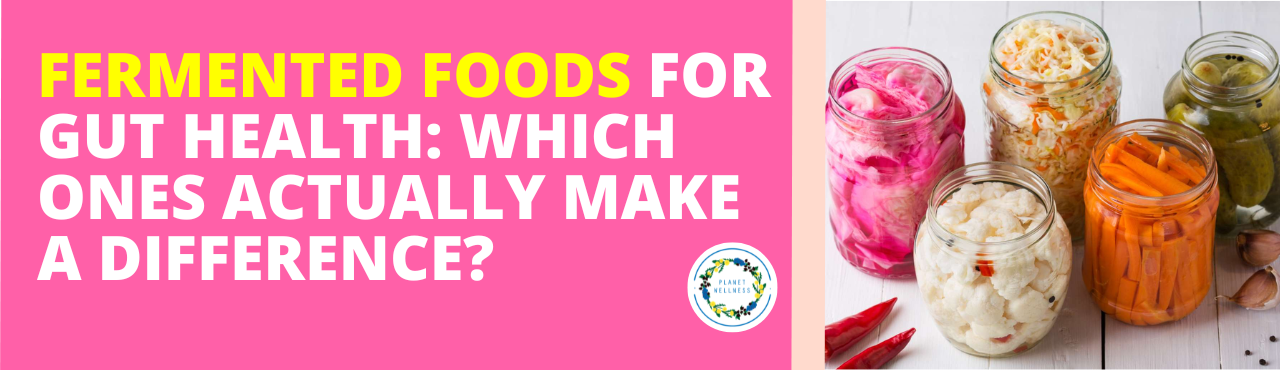
Fermented Foods for Gut Health: Which Ones Actually Make a Difference?

The short answer: live yoghurt, kefir, sauerkraut, kimchi and miso are the fermented foods that genuinely make a difference to gut health, because they deliver live bacterial cultures in numbers large enough to actually shift what's living in your gut. A lot of what's sold as ‘fermented’ doesn't count — most bread, beer, wine, soy sauce and shop-bought pickles have been heated, pasteurised or made with vinegar rather than live culture, which means any bacteria that were once there are long gone by the time the jar reaches your fridge. If you've stood in a supermarket aisle wondering whether that jar of sauerkraut is worth the extra pound, or whether kombucha is doing anything at all, this article walks through exactly which fermented foods earn their...
Bloating After Every Meal? Here’s What Your Gut Might Be Telling You

If you're bloated after almost everything you eat, it's rarely about the food alone. In most cases, it's a sign that digestion is under strain somewhere along the line — perhaps low stomach acid, an overgrowth of the wrong gut bacteria, eating too quickly, or a nervous system that's too wound up to digest properly. Bloating isn't your gut being difficult for no reason. It's your gut trying to get your attention. The good news is that once you understand what's actually going on beneath the surface, that tight, swollen feeling becomes much easier to work with. This is a recording of our Wellness Wednesday presentation to a group of attendees who learnt how to eat healthier and ensure all meals are digested and expelled effectively. Please enjoy...

Best Foods for a Healthy Gut Microbiome (and What to Cut Out)

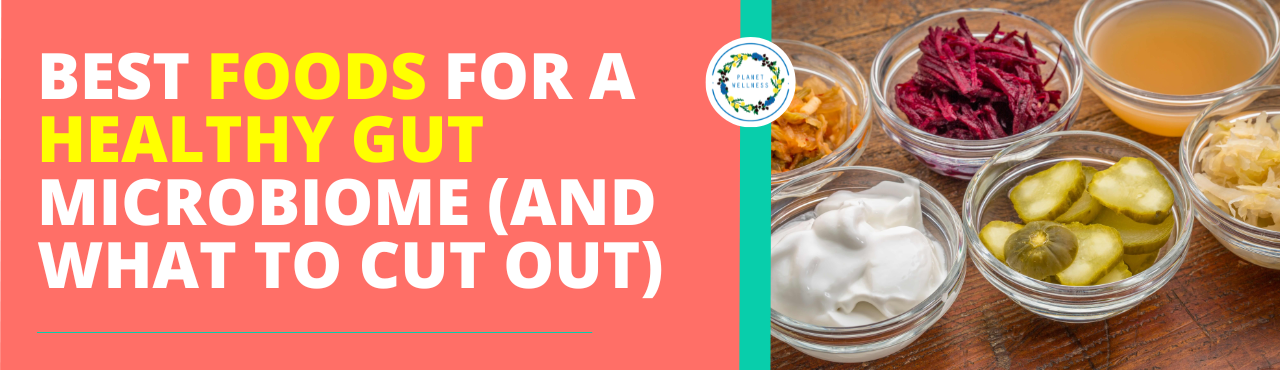
The short answer: fermented foods, fibre-rich vegetables, prebiotic plants, healthy fats and bone broth are the biggest allies your gut has — while ultra-processed food, refined sugar, excess alcohol and artificial sweeteners are the ones working against it. Get that balance right, and most people notice steadier digestion, fewer energy dips and calmer skin within a matter of weeks. The rest of this article breaks down exactly why these foods matter, how to bring them into your week without overhauling your entire kitchen, and what's genuinely worth cutting back on. Would you like to know how to eat healthier? Watch and find out what Hephzibah, one of our first customers in London has to share after learning from us. Please enjoy and remember to like, comment and subscribe! https://youtu.be/ChTkXEcu04M Why...

Probiotics vs Prebiotics: What’s the Difference and Do You Need Both?

Quick answer: Probiotics are the live, beneficial bacteria you bring into your gut. Prebiotics are the fibre that feeds the good bacteria already living there. Think of one as the seed and the other as the soil — and yes, you genuinely need both. Taking probiotics without prebiotics is a bit like planting seeds in bare concrete; they might survive the journey, but they've got nothing to grow in. If that's all you needed to know, you can stop there. But if you'd like to understand why this matters for your digestion, your energy, your skin and even your mood, keep reading — we'll break it down properly, without the science lecture. Watch our short video to learn more. Please enjoy and remember to like, comment, share...

How Long Does It Take to Heal Your Gut? A Realistic Timeline

Most people notice the first small changes within two to four weeks of consistently supporting their gut — less bloating, steadier energy, more regular digestion. But properly rebuilding the gut lining and restoring balance to your gut bacteria typically takes three to six months, and for anyone dealing with long-standing issues like leaky gut or years of poor digestion, closer to nine to twelve months is realistic. There is no single magic number, because your gut is not a light switch — it is a living ecosystem, and ecosystems recover in stages, not overnight. If you have ever finished a week of "eating clean" and felt frustrated that your bloating hasn't vanished, this article is for you. Below, we walk through exactly what happens at each...

What Is Leaky Gut Syndrome — and Is It Real?

Leaky gut syndrome describes a state where the lining of your gut becomes more permeable than it should be, allowing particles that ought to stay inside your digestive tract — undigested food fragments, toxins, and bacteria — to slip into your bloodstream. Is it real? The short answer is yes and no. The underlying mechanism, known medically as increased intestinal permeability, is genuinely recognised and well documented. What's contested is whether it deserves to be called its own "syndrome" with a fixed list of symptoms and a single cause. For anyone dealing with bloating, fatigue, skin flare-ups or food sensitivities that never quite add up, that distinction matters far less than finding out what's actually going on — and what can be done about it. Let's...

10 Signs Your Gut Health Needs Attention

Bloating after meals, skin that won't settle, energy that dips no matter how much sleep you get, and sugar cravings you can't shake — these are some of the clearest signals that your gut needs a little more care. Your gut does far more than digest your dinner; it plays a part in your immunity, your mood, and how clearly you think, which is why gut trouble tends to show up in so many different ways. Below are the ten signs worth paying attention to, along with simple, natural ways to start supporting your gut today. Watch our short video to learn more. Please enjoy and remember to like, comment, share and subscribe! https://youtu.be/e7KoWe_gLJ8 1. You're Bloated More Often Than Not A bit of bloating after a big meal...

How To Improve Gut Health

Have you heard of the saying "Heal Your Gut, Heal Your Body"?     Gut health is very important to our overall health as our gut is like the engine of our body and by filling it with the incorrect foods and drinks, medication and chemicals, it will certainly affect our longer term health.         Did you know there are about 6 trillion bacteria in the gut? If your gut is healthy, that part of your body is like your second brain and that's where the immune system exists. That's why you feel unwell if your gut is unhealthy. If you take what is called antibiotics, which means anti life, you are destroying your own immune system and it is important to let your own immune system fight its problems....