

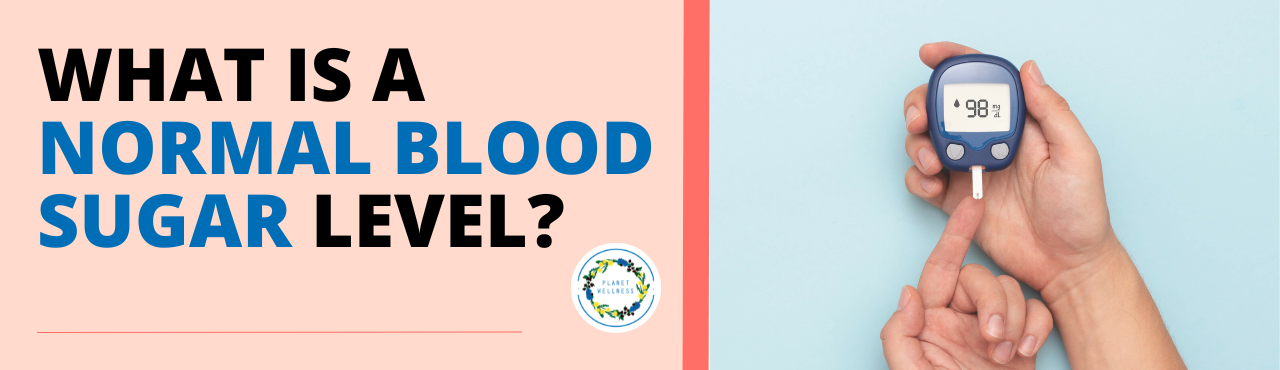
What is a normal blood sugar level?
A normal fasting blood sugar level for a healthy adult is between 4.0 and 5.4 mmol/L. Two hours after eating, it should generally sit below 7.8 mmol/L. These are the figures most used in the UK as a healthy baseline — but as you’ll discover, what’s “normal” is only part of the picture.
Take control of your health with proven lifestyle tips for managing Type 2 diabetes. In this video, you’ll learn simple, evidence-based habits you can start today to stabilise blood sugar, improve energy, and boost overall wellbeing.
Why Blood Sugar Matters More Than You Think
Blood sugar — or blood glucose — is simply the amount of sugar circulating in your bloodstream at any given time. It’s your body’s primary fuel source, and keeping it within a healthy range is one of the most important things you can do for your long-term wellbeing.
When your blood sugar stays consistently balanced, you tend to have steady energy throughout the day, good mental clarity, and a body that functions optimally. When it regularly swings too high or too low, the ripple effects can show up in your energy levels, mood, weight, and — over time — your risk of serious conditions like Type 2 diabetes and cardiovascular disease.
The good news? With the right information and the right support, blood sugar balance is something most people can maintain naturally.
The Numbers at a Glance
Here’s a simple reference guide based on NHS and Diabetes UK guidelines:
Fasting blood sugar (before eating):
- Normal: 4.0 – 5.4 mmol/L
- Prediabetes: 5.5 – 6.9 mmol/L
- Diabetes: 7.0 mmol/L or above
Two hours after eating:
- Normal: below 7.8 mmol/L
- Prediabetes: 7.8 – 11.0 mmol/L
- Diabetes: 11.1 mmol/L or above
These numbers are a guide, not a verdict. A single reading outside the “normal” range doesn’t necessarily mean something is wrong — stress, illness, lack of sleep, and even the timing of your last meal can all influence the result. That said, if you’re regularly seeing elevated readings, it’s well worth speaking to your GP.
What Causes Blood Sugar to Rise and Fall?
Food and Drink
The most obvious influencer is what you eat. Foods that are high in refined sugar and simple carbohydrates — white bread, biscuits, sugary drinks, processed cereals — cause a rapid spike in blood glucose. Your body releases insulin to bring it back down, but if this cycle repeats too often, things can start to go out of balance.
Whole foods, on the other hand — vegetables, legumes, wholegrains, healthy fats, quality proteins — release glucose much more slowly and steadily, keeping your levels far more even throughout the day.
Stress
This one often surprises people. When you’re stressed, your body releases cortisol and adrenaline, both of which raise blood sugar as part of the “fight or flight” response. This is completely natural in the short term — but chronic, ongoing stress can keep blood sugar persistently elevated even if your diet is fairly good.
Managing stress isn’t just about feeling calmer. It has a very real, measurable effect on your metabolic health.
Sleep
Poor sleep is one of the most underestimated drivers of blood sugar imbalance. Even a single night of disrupted sleep can affect how your cells respond to insulin the following day. Consistently getting seven to nine hours of quality rest is genuinely one of the best things you can do for your blood sugar — and your health overall.
Movement
Your muscles are one of the most powerful regulators of blood sugar. When you move your body, your muscles absorb glucose directly from the bloodstream, even without insulin. Regular walking, gentle exercise, or any movement you enjoy can make a significant difference to how your body manages glucose over time.
Signs Your Blood Sugar Might Be Out of Balance
You don’t need a blood test to start noticing the signs. Common symptoms of blood sugar dysregulation include:
- Energy crashes, particularly in the afternoon
- Intense cravings for sugar or carbohydrates
- Feeling irritable or anxious between meals
- Difficulty concentrating or persistent brain fog
- Waking in the night or feeling unrefreshed in the morning
- Frequent thirst or needing to urinate more than usual
None of these symptoms are definitive on their own, but if several resonate, it may be worth getting your levels checked and taking a closer look at your daily habits.
Supporting Healthy Blood Sugar Naturally
Eat to Balance, Not Just to Fuel
Focus on building meals around fibre-rich vegetables, protein, and healthy fats before adding carbohydrates. This slows glucose absorption and keeps you fuller for longer. Starting your day with a protein-rich breakfast — rather than cereal or toast alone — is one of the simplest changes you can make.
Eating in a calm, unhurried state also matters more than most people realise. Digestion begins in the brain, and when you’re rushing or stressed, your body isn’t primed to process food efficiently.
Move After Meals
A gentle 10–15 minute walk after eating has been shown to noticeably reduce post-meal blood sugar spikes. It doesn’t have to be a workout — simply getting up and moving helps your muscles do the job they’re designed for.
Prioritise Rest and Recovery
Good sleep, downtime, and stress management are not luxuries — they’re essential tools for blood sugar balance. Aim for a consistent sleep schedule, and find practices that genuinely help you decompress, whether that’s time in nature, breathwork, reading, or whatever works best for you.
Consider Key Nutrients
Several nutrients play a direct role in blood sugar regulation. Magnesium, chromium, berberine, cinnamon, and alpha-lipoic acid are among the most researched. However, before adding any supplements to your routine, it’s always wise to speak with a qualified health practitioner who can guide you based on your individual needs.
Discover the top 5 foods to focus on for diabetes management and take a powerful step towards better blood sugar control — naturally.
When to Seek Support
If you’re regularly experiencing symptoms of blood sugar imbalance, or if a home test or GP check reveals levels outside the healthy range, don’t wait. Catching and addressing blood sugar issues early — whether through lifestyle changes, nutritional support, or medical guidance — gives you the best possible foundation for long-term health.
At Planet Wellness, we take a whole-person approach to blood sugar balance. Rather than looking at numbers in isolation, we look at sleep, stress, gut health, nutrition, and lifestyle together — because that’s where lasting change happens.
Disclaimer: This article is for educational purposes only and not a substitute for professional medical advice. Always seek diagnosis and treatment from a qualified healthcare provider, which is specific to your own case.
TAKE THE NEXT STEP
Book a complimentary 15-minute Zoom consultation with us (valued at £99) to discuss your specific health concerns and receive personalised guidance from our experienced natural health practitioners.

FREE RESOURCES



Disclaimer: The information provided in this article is for educational purposes only and is not intended as medical advice. Also, always consult a qualified healthcare professional before making changes to your diet, supplement regimen or health programme. Planet Wellness practitioners draw on over 50 years of natural health experience using Iridology, Nutrition, and Kinesiology.