

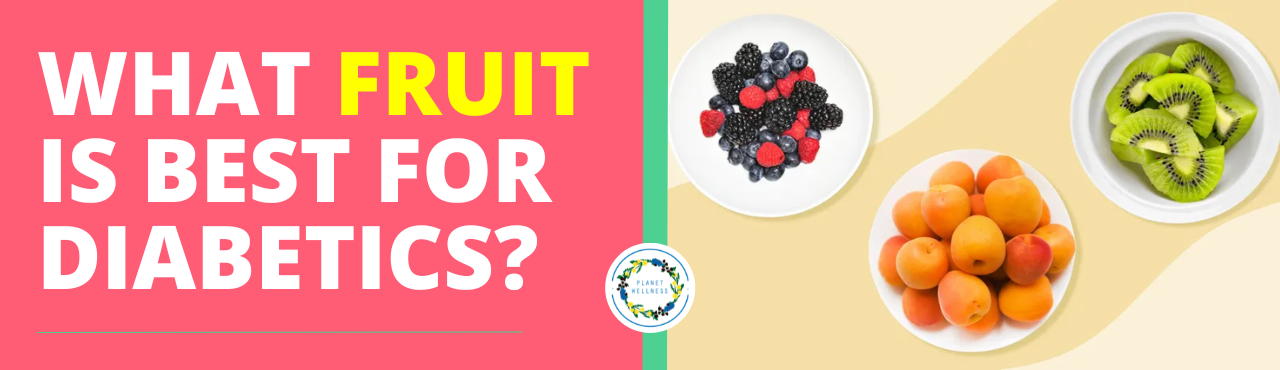
What fruit is best for diabetics?
The short answer: berries, cherries, apples, pears, and citrus fruits are generally the best choices for diabetics. Also, they tend to be lower in sugar, higher in fibre, and rich in the kinds of plant compounds that support steady blood sugar levels. Furthermore, but — and this matters — how you eat fruit can be just as important as which fruit you choose.
If you’ve been told to avoid fruit altogether because of your diabetes, you’re not alone in hearing that. In addition, it’s a common piece of advice, and it’s not entirely wrong — but it’s not entirely right either. Moreover, fruit contains natural sugars, yes. However, but it also contains fibre, water, vitamins, minerals, and powerful plant nutrients that your body genuinely needs. Therefore, the goal isn’t to eliminate fruit. It’s to choose wisely.
Why Fruit Matters for Diabetics
Whole fruit is not the enemy. In fact, several studies have found that people who eat whole fruit regularly have a lower risk of developing type 2 diabetes — not a higher one. As a result, the key word there is whole. Importantly, whole fruit comes packaged with fibre, which slows down how quickly its natural sugars enter the bloodstream. In fact, that’s a very different story from fruit juice, smoothies, or dried fruit, which can cause blood sugar to spike quite sharply.
When you’re managing diabetes, the goal is steady blood sugar — not spikes and crashes. In particular, choosing the right fruits, and eating them in the right way, is a straightforward way to support that balance.
The Best Fruits for Diabetics
Berries
Blueberries, strawberries, raspberries, and blackberries are among the very best fruits for blood sugar management. Additionally, they’re relatively low in sugar, packed with fibre, and bursting with antioxidants — particularly anthocyanins, the compounds that give them their deep colours. Notably, these plant pigments have been shown to support insulin sensitivity and reduce inflammation, both of which are important for anyone living with diabetes.
A small handful of mixed berries makes an excellent snack or breakfast addition. Also, they work beautifully stirred into natural yoghurt or scattered over porridge.
Apples and Pears
These everyday British favourites are genuinely good choices. Furthermore, both are high in soluble fibre — particularly a type called pectin — which helps slow sugar absorption and keeps you feeling fuller for longer. In addition, apples and pears also have a relatively modest effect on blood sugar when eaten whole and with the skin on. Moreover, the skin is where a significant portion of the fibre lives, so don’t peel it away.
One medium apple or pear as a snack is a sensible portion that most people with diabetes can enjoy without concern.
Cherries
Cherries are lower on the glycaemic index than many people expect, meaning they have a gentler impact on blood sugar than sweeter-tasting fruits might suggest. However, they’re also a natural source of anthocyanins, which help the body manage inflammation — a significant factor in diabetes. Therefore, fresh or frozen cherries are best. As a result, tinned cherries in syrup should be avoided.
Citrus Fruits
Oranges, grapefruits, lemons, and limes are well worth including. Importantly, they’re high in vitamin C and soluble fibre, and they have a relatively low glycaemic load when eaten whole. In fact, one key thing to note: eat the whole fruit rather than drinking the juice. In particular, even 100% pure fruit juice removes the fibre that makes whole fruit a better choice, leaving you with a liquid that can spike blood sugar rapidly.
Kiwi
Kiwi is often overlooked, but it’s a brilliant option for diabetics. Additionally, it’s relatively low in sugar, high in vitamin C and vitamin K, and has a decent fibre content. Notably, some research also suggests it may support healthy blood pressure, which is particularly relevant since cardiovascular health and diabetes are closely linked.
Fruits to Approach With Caution
This isn’t about banning anything — it’s simply about being mindful of portions with fruits that are higher in natural sugars.
Grapes and bananas tend to have a higher sugar content and can raise blood sugar more quickly than the fruits listed above. Also, that doesn’t mean you can never eat them, but a small portion is wise, and pairing them with something that contains protein or healthy fat (like a few nuts) can help slow the sugar release.
Tropical fruits such as mango, pineapple, and papaya are delicious, but they’re also higher in natural sugars. Furthermore, enjoy them occasionally and in smaller servings rather than as a daily staple.
Dried fruit and fruit juice are the two to be most careful with. In addition, dried fruit is concentrated in sugar — a small box of raisins contains far more sugar than the equivalent amount of fresh grapes. Moreover, fruit juice, even freshly squeezed, removes the fibre and delivers a rapid hit of sugar to the bloodstream.
How to Eat Fruit Wisely
Choosing the right fruit is only half the picture. However, here are a few practical things that make a real difference:
Pair fruit with protein or fat. Eating fruit alongside a handful of nuts, some natural yoghurt, or a boiled egg helps slow down sugar absorption. This is one of the simplest and most effective changes you can make.
Watch your portions. A typical serving is one medium piece of whole fruit, or roughly 80g. You don’t need to weigh everything obsessively, but being aware of how much you’re eating matters.
Eat fruit, don’t drink it. Whole fruit over juice, every time.
Spread your fruit across the day rather than eating several portions in one go. Therefore, spacing things out gives your body more time to manage the natural sugars gently.
Notice how your body responds. Everyone is different. As a result, some people find certain fruits affect their blood sugar more than others. Importantly, paying attention to how you feel after eating is genuinely useful information.
A diet rich in vegetables, wholegrains, healthy fats, and quality protein gives your body the best foundation to manage blood sugar naturally. In fact, sleep, stress, movement, and hydration all play a role too. In particular, managing diabetes well isn’t just about individual foods — it’s about the whole way you live and care for yourself. Additionally, that’s a more empowering way to look at it than a list of things you’re not allowed to eat.
If you’d like personalised guidance on how to build a diet that truly supports your health, speaking with a nutrition specialist who understands both the condition and the whole person is always worth doing.
Disclaimer: This article is for educational purposes only and not a substitute for professional medical advice. Notably, always seek diagnosis and treatment from a qualified healthcare provider, which is specific to your own case.
TAKE THE NEXT STEP
Book a complimentary 15-minute Zoom consultation with us (valued at £99) to discuss your specific health concerns and receive personalised guidance from our experienced natural health practitioners.

FREE RESOURCES



Disclaimer: The information provided in this article is for educational purposes only and is not intended as medical advice. Furthermore, always consult a qualified healthcare professional before making changes to your diet, supplement regimen or health programme. Planet Wellness practitioners draw on over 50 years of natural health experience using Iridology, Nutrition, and Kinesiology.