

What Is Nutrition?
Good nutrition is one of the most powerful tools available to us for long-term health and vitality. Also, whether you are looking to prevent disease, boost your energy, or simply feel better every day, understanding what nutrition really means — and how to apply it — is the essential first step. At Planet Wellness, with over 50 years of natural health experience, we have seen time and again how the right nutritional approach transforms lives.
What is Nutrition?
Nutrition is the process of providing and obtaining the nutrients necessary for optimum wellness and continued growth. Furthermore, it is the biochemical and physiological process by which an organism uses food to support its growth and life functions — including ingestion, digestion, absorption, transport, assimilation, and excretion of waste.
Put simply, nutrition is about eating a healthy and balanced meal every time you sit down to eat. In addition, understanding this entire process helps you make better food choices and combinations each time.
The Seven Major Classes of Nutrients
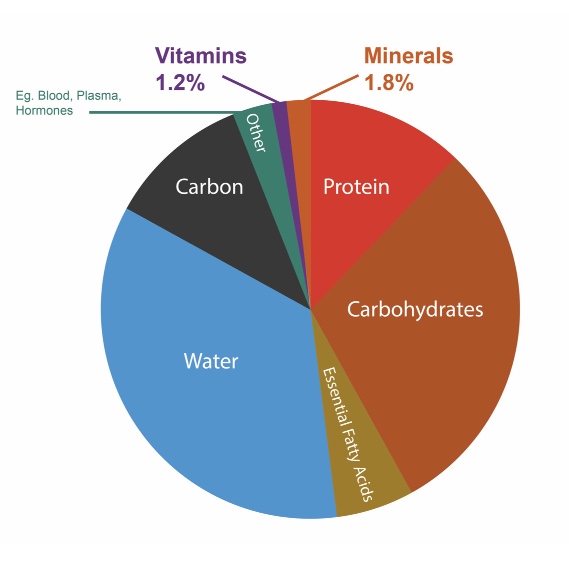
Our body requires seven major classes of nutrients to function at its best:
- Carbohydrates — the body’s primary energy source
- Fats (Essential Fatty Acids) — critical for brain function and hormone production
- Fibre (Soluble & Insoluble) — supports digestive health and detoxification
- Protein — the building block for every cell in the body
- Minerals (Macro & Micro) — essential for over 300 biochemical reactions
- Vitamins (Macro & Micro) — vital co-factors for energy, immunity and repair
- Water & other liquids (such as coconut water) — the medium for all bodily processes
Why Good Nutrition Matters
It is vital to ensure that everything we consume is of optimum quality — this is the fuel that powers all our body systems. Moreover, good nutrition greatly reduces the risk of many serious diseases including heart disease, diabetes, strokes, some cancers, osteoarthritis and osteoporosis. However, it can also lower high blood pressure, reduce LDL cholesterol, strengthen the immune system, and significantly increase your energy levels.
The human body is designed to be 80% alkaline and 20% acidic. Therefore, any disruption to this delicate chemical balance affects all 11 body systems. As a result, choosing alkaline-forming foods — such as goat’s milk and cheese over cow’s dairy — is one practical step towards maintaining this balance.
The Most Nutrient-Dense Foods
Over decades of clinical practice, we have found the following foods to be among the most powerful for supporting human health:
Avocados are loaded with healthy fats rather than carbohydrates — experienced nutritionists rightly call them “nature’s butter.” Bananas are amongst the world’s best sources of potassium, Vitamin B6 and fibre, ideal as a portable natural energy boost.
Blueberries are packed with antioxidants and anthocyanins despite their small size — we have seen excellent results with vision retention and improvement in patients who consume them regularly. Broccoli, from the cruciferous family, is rich in antioxidants, fibre, and is well-known for its anti-cancer properties.
Coconuts are loaded with fibre and medium-chain triglycerides (MCT), with coconut water being the closest natural substance to blood plasma. Cucumbers are very low in carbohydrates and calories, and their skin is exceptionally high in chlorophyll — highly beneficial for the liver, gallbladder and kidneys.
Eggs (organic and free range) contain 6 grams of highly assimilable protein each and offer more nutrients per calorie than almost any other food. Garlic is rich in Vitamins B1, B6 and C, plus the minerals calcium, copper, manganese, potassium and selenium — a revered member of the sulphur plant family that powerfully supports immune function.
Kale — the king of leafy greens — is loaded with vitamins, minerals, fibre and antioxidants. Importantly, cavolo Nero kale is particularly high in nutrient quality. Mushrooms are fat-free, low sodium, low calorie and cholesterol-free.
Oily fish such as salmon, sardines preserved in extra virgin olive oil, sea bass, monkfish, cod and wild Alaskan red salmon contain the greatest amounts of Omega-3 fatty acids — critical for optimal brain function, improved wellbeing, and lowering the risk of serious diseases including dementia and Alzheimer’s. In fact, make sure sardines retain their spinal column for maximum calcium benefit.
Seaweed is exceptionally high in iodine (vital for thyroid function) and in many cases is more nutritious than land-grown vegetables. In particular, the Okinawans of Japan consume an average of 450 grams of fresh seaweed daily — varieties including Hijiki, Wakame, Nori and Bull Kelp — and enjoy remarkable longevity, commonly living to 100–110 years.
Goat’s milk and goat’s cheese are easily digested by most people, unlike cow’s dairy, and are alkaline-forming rather than acid-forming — making them a far superior choice for maintaining the body’s ideal pH balance.
Can We Get All Our Nutrients from Food?

There is a school of thought that eating organic food gives us the best chance of obtaining all our nutrients naturally. Additionally, unfortunately, this is becoming increasingly difficult for several important reasons.
Soil degradation is the most significant factor. Notably, if key nutrients are not present in the soil, they cannot be present in the food. Also, in a typical conventional farming location, only three nutrients are replenished after each crop: nitrogen, phosphorus and potassium (NPK). Furthermore, this leaves approximately 78 other key nutrients absent from the soil — and therefore absent from the food grown there.
Increased nutritional demands during times of stress mean that even a good diet may fall short. In addition, during exceptional stress, the body rapidly depletes B-complex vitamins, Vitamin C, and key minerals such as calcium, magnesium, molybdenum, selenium and manganese. Moreover, antioxidant requirements are also significantly elevated, as organs under pressure generate more free radicals.
We strongly recommend 10,000 IU of Vitamin D3 daily, particularly in cold weather. However, the eminent Dr Joseph Micozzi has reported remarkable results in combating influenza with 20,000 IU of Vitamin D3 daily for two days.
The Role of Quality Supplementation
The word “supplement” gives us the clue: it is designed to supplement a nourishing meal, not replace it. Therefore, the Recommended Daily Intake (RDI) figures represent only the minimum amounts required to prevent nutritional deficiencies — they are most certainly not set at the level required for peak wellness, sustained energy, and optimal cellular function.
When it comes to both supplements and food, quality is paramount. We promote only top-quality, multi-award-winning, potency-guaranteed supplements — because when it comes to your health, there is no room for compromise.
TAKE THE NEXT STEP
Book a complimentary 15-minute Zoom consultation with us (valued at £99) to discuss your specific nutritional concerns and receive personalised guidance from our experienced natural health practitioners.

FREE RESOURCES


GO DEEPER
- What is Iridology?
- Do We Need to Detox Our Body?
- Diabetes Treatment Using Olive Oil
- Walking vs Jogging: Which is Better for Your Health?
KEEP READING
- What is Diabetes?
- Symptoms of Diabetes
- What is a Normal Blood Sugar Level?
- Walking vs Jogging: Which Burns More Fat?
Disclaimer: The information provided in this article is for educational purposes only and is not intended as medical advice. As a result, always consult a qualified healthcare professional before making changes to your diet, supplement regimen or health programme. Planet Wellness practitioners draw on over 50 years of natural health experience using Iridology, Nutrition, and Kinesiology.


Claire Gibson
February 4, 2016 at 9:39 amI found a lot of useful information here, it was a really inspirational read. You discovered many interesting things, it will help me with my workout program.
Thomas Bradley
February 4, 2016 at 9:41 amThank you so much, I really appreciate it. The main focus is on the importance of healthy diet and exercise. I am glad you find it interesting.
Bianca Reid
February 4, 2016 at 9:43 amReally inspirational read, thank you! I was just looking for a diet plan that suits my busy lifestyle and this seems like a way to go. I will try it for sure.