

29 Wroxham Way, Ilford, Essex IG6 2GG

Top

Diabetes

Organic Health Solutions / Diabetes (Page 6)

Are bananas good for Diabetics?

Bananas can be a useful part of the diet of people with diabetes provided that they are eaten modestly. Being a natural, whole food that contains all the necessary nutrients and maintains the overall wellness, they do not lead to extreme blood sugar levels provided the portions are reasonable. We are going to discuss in this blog why bananas can be incorporated into a holistic treatment of diabetes based on their natural remedial qualities to enhance wellness and balance.   Discover the 5 Best Foods to Prevent Diabetes Naturally!  In this video, we share five highly recommended foods to help lower your risk of diabetes and keep your blood sugar levels balanced.   https://youtu.be/Y8KZUWyBVgo?si=I3dny5Qxch5wP6WO   The Nutritional Profile of Bananas: Nature's Powerhouse Bananas are more than just a convenient snack; they are a...

How can you prevent Diabetes?

The most effective way to prevent type 2 diabetes is by starting to live in a holistic manner, which implies a nutrient-rich and fibre-rich diet, appropriate physical activity, maintaining a healthy weight, managing stress through mind-body practices, making sure to get sufficient sleep, quitting smoking, and using evidenced-based natural medicine practises like selected herbs and supplements where needed. Type 1 diabetes would usually not be prevented by lifestyle intervention, but approximately 90% of all diabetes is type 2, which is mostly preventable or postponable despite family history or prediabetes. These changes work synergistically to improve insulin sensitivity, stabilise blood sugar, reduce inflammation, and support overall wellness. Such evidence-based interventions as the NHS Diabetes Prevention Programme prove that lifestyle changes can decrease the risk by 58% in...

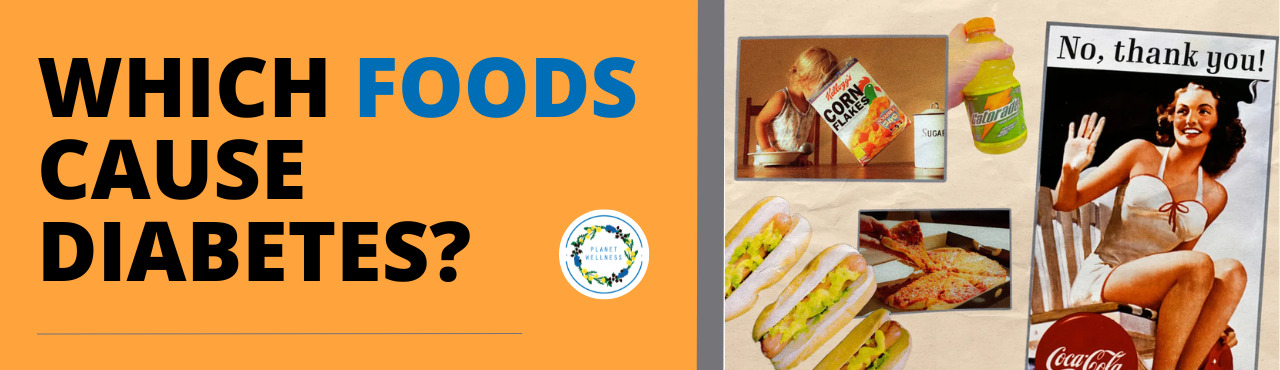
Which foods cause Diabetes?

There is no direct food that leads to diabetes. Nevertheless, the consumption of specific types of foods, especially high amounts of refined sugars, sugary beverages, processed meat, processed carbohydrates, and ultra processed snacks, comes with a high degree of risk to the development of type 2 diabetes. This danger increases exponentially in individuals who lack the required strength of the pancreas by inheritance or acquired condition, which could easily be identified using iridology and specific markings, discolouration, or lacunae in the respective zone of the pancreas in the iris.   Struggling to understand which foods can raise your risk of developing Type 2 diabetes? This video dives into the main dietary culprits—from excessive sugar to highly processed foods—and explores how they may contribute to insulin resistance, weight...

How to reduce sugar in blood?

Are you worried about pre-diabetes or looking for ways to protect your long-term health? In this video, we share 3 simple yet powerful tips that can help you prevent pre-diabetes and reduce your risk of developing Type 2 Diabetes.   https://youtu.be/ogPqwsPCAeI?si=QhoD91KfFcknbTZu   In order to minimise sugar in your blood, aim at following a nutritious meal intake with minimal refined carbohydrates, regular exercise, regulating stress levels, and considering alternative holistic practises such as Iridology to seek underlying problems. Start by monitoring your blood glucose regularly and consulting a healthcare professional for personalised advice.   In this article, we shall go further to discuss effective methods of reducing blood sugar level in an effective and sustainable manner. These tips can be used whether you already have diabetes or you just want to have...

What is a Diabetic Blood Sugar Level?

A diabetic blood sugar level can be defined as glucose levels above the normal range, that is, a fasting blood glucose level of 7.0 mmol/L or higher, or an HbA1c reading of 48 mmol/mol (6.5%) and higher. These levels are indicative of the fact that the body is unable to maintain a proper balance of blood sugar, which is the hallmark characteristic of diabetes. Simply put: when your blood sugar is always high beyond these measurements, then you are deemed to be diabetic. Having answered the main question, it is time to dissect what this implies, why this is important and how Iridology can help one learn more about the general condition of the body and how it can be healed.   Struggling to manage your blood sugar...

What should Diabetics drink first thing in the morning?

The perfect morning drink for diabetics is one glass of warm water with fresh lemon juice–preferably followed by fresh coconut water. Lemon water gently wakes up your digestive system, aids your liver and levels out your body PH after hours of fasting. Coconut water, in its turn, offers hydration and needed minerals such as potassium and magnesium, without raising your blood sugar. They are both natural and unprocessed and extremely purifying to the body, a good mix to normalise blood sugar levels at the beginning of the day. But why are these drinks particularly beneficial for diabetics? And how do they connect with your overall wellness, especially when viewed through the lens of Iridology–the science of reading health patterns through the eyes? Let’s explore.   Can something as simple...

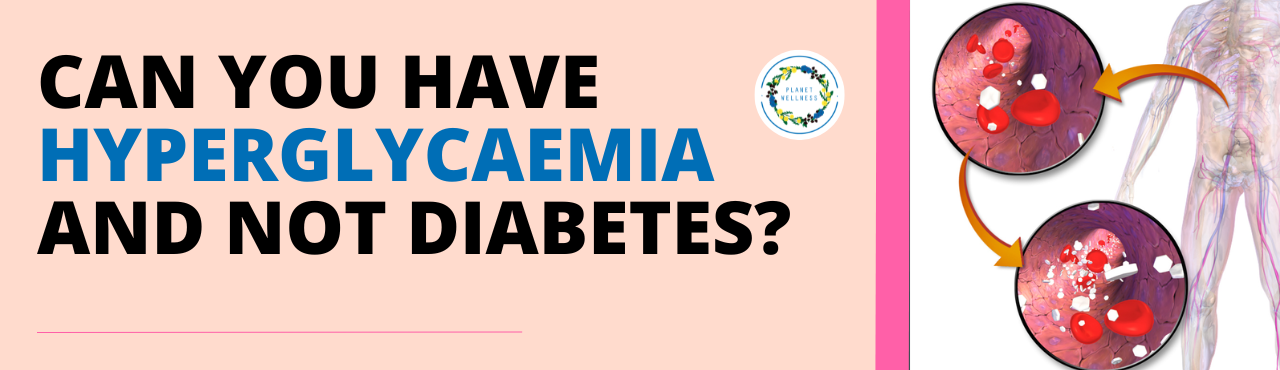
Can you have hyperglycemia and not Diabetes?

Yes, you absolutely can have hyperglycaemia (high blood sugar) without having diabetes. Although diabetes is the most frequent explanation of permanent elevated blood sugar, there are a lot of other reasons as to why your glucose level can temporarily increase such as stress, illness, drugs, food, and even hormonal changes. As a matter of fact, the spikes in blood sugar may be rather frequent and disregarded. But when such instances are repeated, they can be taken as the early indications of an imbalance in the body – which Iridology can identify and treat before turning into diabetes.   Understanding Hyperglycaemia Hyperglycaemia is the condition that appears in case of excess glucose (sugar) in your blood. In most cases, your body balances the level of sugar in the blood...

How can we prevent Obesity and Diabetes?

The two issues of obesity and diabetes are part of the most urgent health challenges of our time. The good news though is that the two conditions are mostly avoidable by making conscious lifestyle decisions. To avoid them, a combination of healthy nutrition, physical exercise, coping with stress, and health education at an early age is needed. Also a good hint to our predispositions, iridology is the study of patterns, colours, and markings in the iris which can assist us in making positive decisions that will protect our health.   How Can We Prevent Obesity and Diabetes? | Expert Tips by Planet Wellness In this eye-opening episode, Chef Petrina Ten and Diabetes Consultant from Planet Wellness dives into practical, science-backed strategies to prevent obesity and Type 2 diabetes...

Type 1 Diabetes

Type 1 Diabetes is a persistent medical disorder wherein the body’s immune system attacks and kills the insulin-producing beta cells of the pancreas. This leads to minimal or no production of insulin which is vital in controlling the amount of sugar in the blood. Type 1 diabetes is predominantly autoimmune; however contrasted to Type 2 diabetes that is in most cases linked to lifestyle choice and insulin resistance. It is acquired normally during childhood or adolescence but it is also possible in adults.   Type 1 diabetes is an important subject to understand since early diagnosis and timely management of the disease can avoid severe complications and greatly enhance the quality of life. To the holistic health and iridology practitioners, Type 1 diabetes may be detected by...

Type 2 Diabetes

Type 2 diabetes is a chronic disorder that influences the means in which the body uses blood sugar (glucose). In Type 2 diabetes, the body becomes either resistant to insulin or it cannot produce insulin in abundance to normalise blood sugar levels as opposed to Type 1 diabetes where the body fails to produce insulin. This causes increased glucose in the blood and this may result in severe health conditions in the long term unless addressed.   Although Type 2 diabetes is prevalent among the adults, it may as well occur in children and teenagers and the prevalence of obesity is increasing. Fortunately, the condition can be treated through lifestyle changes, medication, and alternative medicine including Iridology which also provides a holistic management of health.   Struggling to understand...