
29 Wroxham Way, Ilford, Essex IG6 2GG

Top

iridology Tag

Organic Health Solutions / Posts tagged "iridology" (Page 5)

Is iridology a safe method for health assessment?

Iridology is indeed safe, and non-invasive, and it is a way of gaining an insight into your health in general. It has nothing to do with needles, radiation, chemicals or surgery. Rather, iridologists study formations, colours, and other traits of the iris, otherwise known as the coloured portion of the eye, to determine possible health advantages and disadvantages. Although it is not designed to substitute medical diagnostics, it can serve as a useful addition to those who want to obtain a more comprehensive picture of their health.   In the sections below, we will discuss what iridology is, why it is safe, how it all works and why it has become such a popular component of the journey towards better, healthier lives for so many people.   Watch and...

What is an Iridologist?

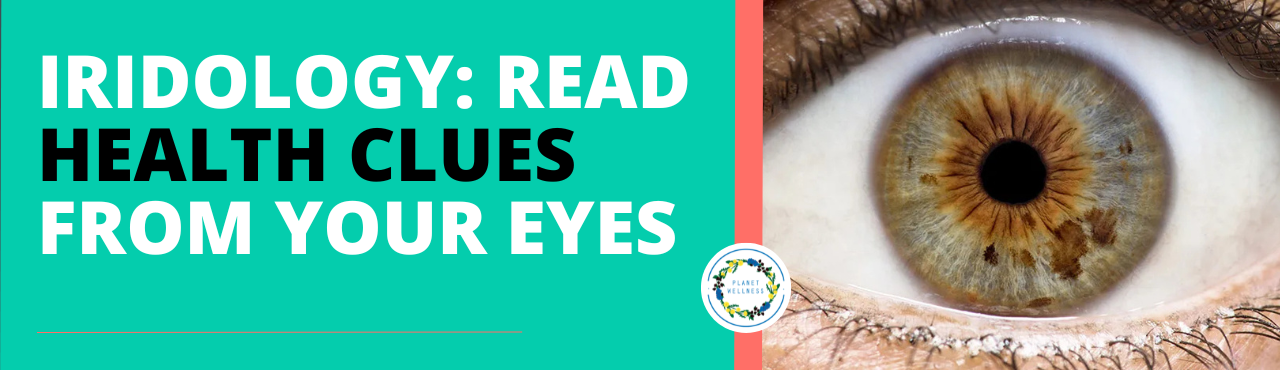
An iridologist is a health practitioner who examines the pattern, colour, and any other feature of the iris (the coloured part of the eye) to establish an understanding on the general health of an individual. Iridology is a type of complementary and alternative medicine that regards the iris as the window to the body's inner state, contributing to the detection of the possible imbalances, hereditary predispositions, and weak points of the body prior to the symptoms appearing.   The iridologists do not identify the diseases in a traditional medical manner. Rather they examine the systemic health of the body by examining the distinctive marks in the iris and sclera (the whites of the eye). A large number of individuals resort to iridology to receive holistic direction, early...

Can Iridology provide personalised health insights?

The standard medical testing system chooses to treat visible symptoms without looking for deeper system imbalances. Every human body possesses a hidden version of our well-being which can be interpreted through careful observation.   Researchers have started to embrace Iridology as a holistic method to analyse individual health because it provides detailed information about personal health needs.   Watch our insightful video to learn "Can Your Iris Show Health Problems?"   https://youtu.be/vK_shK8Pqxk?si=lFhFDF85Wd5hpQ5H   What is Iridology? Iridology uses a non-invasive analysis technique to study iris patterns which helps practitioners identify overall health conditions of the patient. The medical system of iridology believes the iris contains markings which serve as reflections of body system and organ health conditions. The scientific analysis of iris patterns, colours and markings helps iridologists detect health issues while revealing...

What illnesses can be seen in the eyes?

Most people who focus on eye health concerns first think about their eyesight quality and standard conditions including near-sightedness and cataracts. In the practice of iridology, the eyes show much broader health information beyond traditional vision issues because they function as indicators for complete body wellness.   The practice of Iridology uses iris examination to identify future health risks before medical signs emerge through analysis of iris patterns and colours. Iridology provides preventive insight regarding body imbalances since its methods differ from standard medical practices that delay treatment until symptoms become evident. Iridologists use this science to detect various diseases while fostering holistic health benefits, but what illnesses can iridology successfully identify? Let’s explore.   What Health Conditions Can Be Seen Through The Eyes 👀 ? Watch our...

Can an Eye Doctor tell if you have high blood pressure?

Millions of people around the World suffer from high blood pressure, often known as hypertension, a silent but potentially life-threatening condition. By catching it early, you can prevent complications, such as heart disease, stroke, and kidney failure.   Medical tests such as blood pressure monitoring are used by the majority of conventional medical doctors to diagnose hypertension, but some alternative health practitioners have suggested that the eyes are also a significant source of information on a person's health. Iridology is a fascinating and often misunderstood field of natural health based on this concept.   Can an eye doctor, or more particularly, an Iridologist, see high blood pressure? Now let’s learn about the principles of iridology, and how it works and its role in detecting hypertension.   Watch our video where...

Does every person have a unique iris?

An ancient practice, the study of the iris to see inside a person’s health through iridology, has made a comeback with holistic medicine. The question addressed in this blog article, “Does every person have a unique iris?”, is not only relevant to the lens of biometric identification, but can also inform how the iris is a map to an individual’s health. Now, let’s take a look at the interplay between the uniqueness of the iris and its role in iridology.   The Uniqueness of the Human Iris Iris, the coloured part of the eye, is one of the most intricate and distinctive structures of the human body. People's iris patterns, textures, and colors are like a fingerprint. Iris recognition technology is so unique that it has become the...

What is the unusual star like pattern in the iris of the eye?

Iridology is the study of the iris to interpret patterns, markings and color in the eye’s colored part to assess health. One such monumentally interesting feature is the star-like pattern, for some practitioners it implies certain health or personality traits. In this article, we look at the importance of the star-like pattern in iridology and how an iridology consultation could benefit you.   Watch our informative video to learn "What Are The Cramp Rings In My Eyes?"   https://youtu.be/jxtEkDlB4t4?si=UBgeE7umK-pPW_z3   Understanding Iridology Iridology is the belief that parts of the iris correspond to different organs and systems of the body. Detailed iridology charts are used by practitioners to map these correlations: dividing the iris into zones that represent specific anatomical regions. Iridology attempts to diagnose possible health problems, organ weaknesses or imbalances,...

What Organs Does Psoriasis Affect?

Psoriasis affects far more than the skin. While its plaques and scales are the most visible sign, this condition can also involve the joints, the cardiovascular system, the liver, the gut, the nervous system, and even your mood and mental wellbeing. Because psoriasis begins with an overactive immune response, its effects can ripple out to almost any system in the body. If you've been living with psoriasis and wondering why you feel tired, achy, or simply "off" in ways that seem unrelated to your skin, you're not imagining things. Understanding the full picture is the first step towards supporting your body properly, rather than only treating what's visible on the surface. 🌟Our skin is our largest organ and a reflection of our internal health. 🌟 🎥 Watch our...

Can Iridology Detect Illness?

Quick answer: Yes — iridology can highlight patterns in the iris that practitioners associate with weakness, stress or imbalance in the body, often well before those issues turn into noticeable symptoms. It isn't a diagnostic test in the medical sense, and it won't name a specific illness for you. What it does offer is an early, gentle nudge: a way of spotting where your body might need support, so you can act on that information rather than wait for a problem to grow. Watch our short video to learn more. Please enjoy and remember to like, comment, share and subscribe! https://youtu.be/YNgQk-JjOK4 What Is Iridology, and Why Does It Focus on the Eyes? Iridology is the practice of studying the iris — the coloured ring around your pupil — for...

What Can I Expect From Iridology?

Iridology is the practice of studying the iris, which is the coloured part of the eye. It is used to determine information about a person's health, even before the symptoms arise. It is therefore a non invasive and powerful tool to identify existing and potential health concerns. By being pro-active, the person can be notified of potential health concerns and take appropriate action to rectify these before the symptoms arise or get worse. This is very important as the sooner we take action, the more chance we have of preventing or reversing illnesses. Living a healthy life for as long as possible will ensure the quality of life we enjoy and also that of our loved ones who will not have to take care of...